Baby Funny Sweet Dreams: A Designer's Review
As a designer who has spent years navigating the intersection of digital files and physical thread, I approach every new machine embroidery design with a specific set of questions. Does it translate from screen to fabric? Will it hold up under the stress of a washing machine? Most importantly, will it make a customer smile when they unwrap their personalized gift? Today, I am putting Baby Funny Sweet Dreams through that exact scrutiny. This isn't just about downloading an embroidery file; it is about understanding how this specific graphic behaves in the real world of small business production and home crafting.
The First Impression: Mood and Visual Personality
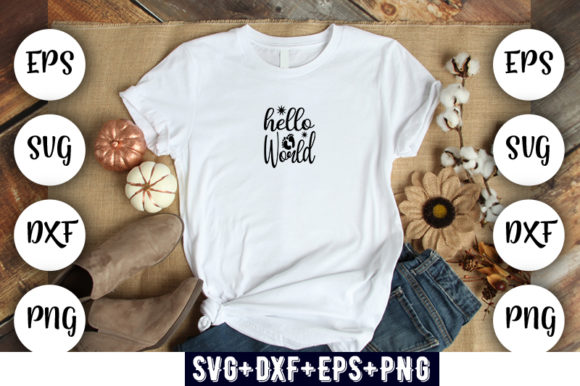
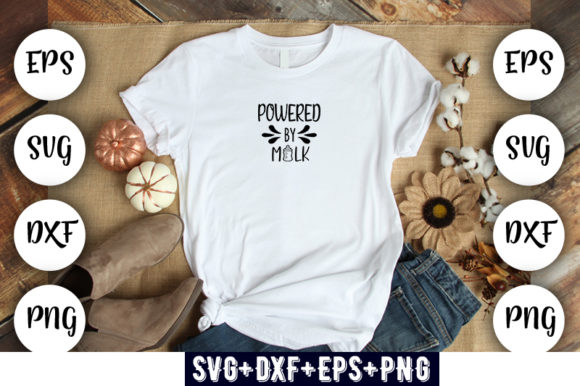
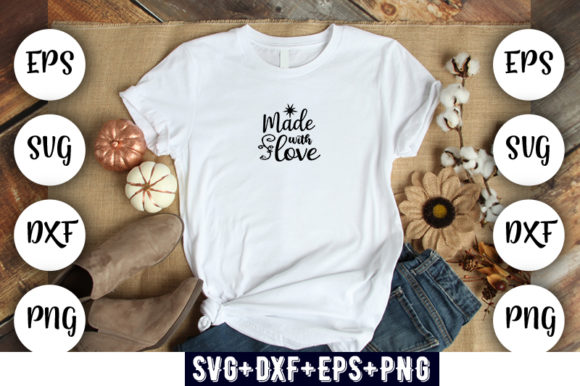
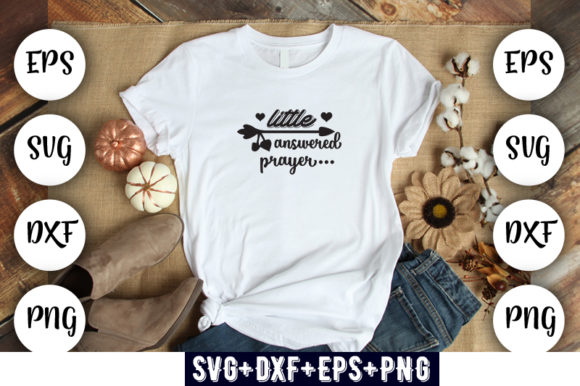
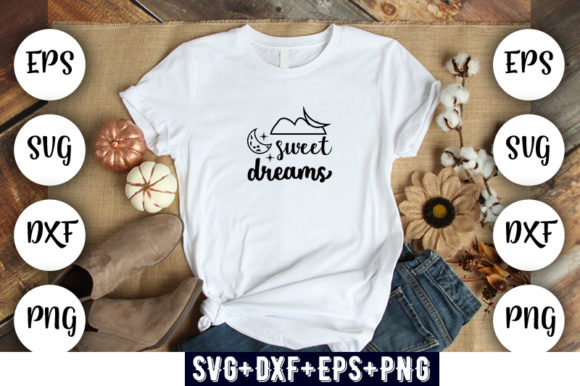
When you first open the preview for Baby Funny Sweet Dreams, the vibe is immediately clear. It leans heavily into the whimsical, soft aesthetic that parents love for nursery decor and baby shower favors. The layout suggests a balanced composition, likely centered around cute typography or a charming character motif that pairs well with the phrase "sweet dreams." For a category like T-Shirt Designs, this kind of playful Graphics style is essential. It needs to be legible at a glance but detailed enough to look professional once stitched.
From a design perspective, the challenge with baby-themed work is avoiding clutter. Too many tiny details can get lost in the stitch density, especially on textured fabrics like fleece or heavy cotton. Baby Funny Sweet Dreams appears to strike a balance, offering enough visual interest without overwhelming the needle path. This makes it a strong candidate for both simple custom apparel and more complex projects like embroidered patch creation.
A Real-World Scenario: The Custom Sweatshirt Project
Let's imagine a practical scenario. You are an Etsy seller preparing for the holiday season. A client orders a custom sweatshirt for a newborn, requesting something cozy and meaningful. You decide to use Baby Funny Sweet Dreams as the central element. You load the digital embroidery file into your software, and here is where the true test begins.
On a dark grey heather sweatshirt, the contrast becomes critical. If the design relies on light colors, you must ensure the backing stabilizer is robust enough to prevent puckering. The fill stitch areas need to be dense enough to cover the dark fabric but not so tight that they stiffen the garment. In my experience, designs labeled as Graphics often benefit from a satin stitch border to define edges against the fabric texture. When I visualize Baby Funny Sweet Dreams on a chest pocket or centered on the back of a hoodie, it feels substantial yet lightweight. It doesn't scream for attention aggressively; instead, it offers a gentle charm that fits perfectly into a boutique product line or a handmade shop inventory.
Navigating Fabric Challenges and Stitch Density
While the design looks promising, every embroidery project comes with potential pitfalls. If you plan to use this on thin jersey knit or stretchy material common in baby onesies, you must be cautious. Stretchy fabric can distort the shape of the letters or characters in Baby Funny Sweet Dreams if the wrong stabilizer is used. A tear-away might not suffice; a cut-away or even a water-soluble topper could be necessary to maintain the integrity of the running stitch outlines.
Furthermore, consider the hoop size. If the design includes wide spacing between elements, a larger hoop is mandatory to avoid re-hooping, which can ruin the alignment. For smaller items like caps or hats, check the curvature. A flat design might look distorted on a curved brim unless the digitizing accounts for the angle. Always inspect the small details before committing to a final run. If there are tiny text elements within the "sweet dreams" phrase, verify that the stitch density won't cause them to blur together on a textured surface like a canvas tote bag.
Commercial Viability and Brand Consistency
For the craft business owner, consistency is key. Using Baby Funny Sweet Dreams across multiple products—say, a matching set of pillow covers, kitchen towels, and tote bag design items—creates a cohesive brand identity. The versatility of the provided formats (SVG, DXF, EPS, PNG) allows you to adapt the design for different machines or even for printable mockups to showcase your listings online. However, remember that the PNG is for visualization only; the actual stitching requires the vector-based files.
When selling finished goods, the quality of the embroidery directly impacts customer trust. A sloppy stitch job on a high-value item like a personalized blanket can lead to returns. Conversely, a crisp, well-executed version of Baby Funny Sweet Dreams elevates the perceived value of the item. It transforms a generic sweatshirt into a cherished keepsake. This is particularly true for holiday gifts or wedding favors where the emotional connection drives the purchase. The design's ability to convey warmth and care is its greatest asset in the marketplace.
Practical Notes for the Designer
- Test on Scrap Fabric: Never skip the test run. Use a scrap piece of the same fabric you intend to sell to check how the thread colors pop and if the backing holds up.
- Check File Formats: Ensure your machine supports the specific format you are using. While SVG and DXF are versatile, some older machines may require conversion.
- Licensing Matters: Before selling any finished product or the digital file itself, confirm the licensing terms. Some designers allow commercial use of embroidered items but forbid reselling the digital embroidery file.
- Mockup Strategy: Create both black and white mockups to see how the design reads in grayscale, ensuring it works for customers who cannot judge color accuracy online.
- Stabilizer Selection: Match the stabilizer to the fabric weight. Heavy denim needs heavy support; delicate muslin needs a lighter touch.
Final Thoughts on Baby Funny Sweet Dreams
In conclusion, Baby Funny Sweet Dreams presents a solid opportunity for designers looking to expand their baby and nursery collection. Its appeal lies in its simplicity and emotional resonance. Whether you are creating a single personalized gift for a friend or stocking your small shop product line for the holidays, this design offers the flexibility needed for various applications. Just remember that the success of the project depends less on the file itself and more on your preparation, choice of materials, and attention to detail during the stitching process. By respecting the mechanics of embroidery and testing thoroughly, you can turn this digital asset into a tangible, high-quality piece that customers will love.