Cute Sloth, Sloth Mode, Not Today: A Designer Review
As someone who has spent years navigating the intersection of digital design and physical stitching, I approach every new machine embroidery design with a critical eye. It is not enough for a graphic to look good on a screen; it must translate seamlessly into thread. Recently, I evaluated a piece titled Cute Sloth, Sloth Mode, Not Today. At first glance, this Graphics file appears to be a simple addition to the growing category of funny animal Icons, but its potential for real-world application requires a deeper dive. For any Etsy seller, small shop owner, or hobbyist looking to expand their catalog, understanding how this specific design behaves in a hoop is crucial before committing to production.
The Visual Personality and First Impressions
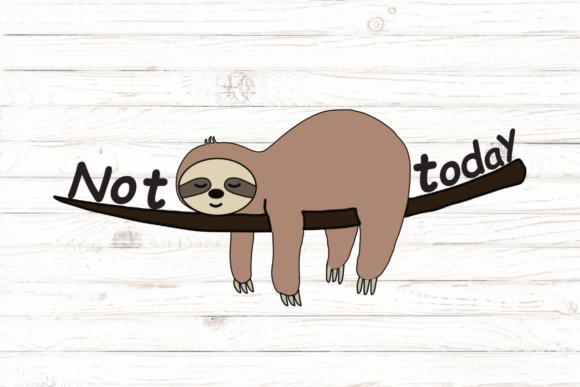
The immediate appeal of Cute Sloth, Sloth Mode, Not Today lies in its relatable humor. The "sloth mode" trend resonates deeply with modern audiences, making it an excellent candidate for custom apparel and lifestyle items. Visually, the design balances cute aesthetics with a clear, bold message. When reviewing the provided files—specifically the SVG and EPS formats which are vital for vector manipulation—I noticed that the lines are clean and the shapes are distinct. This is promising for stitch density management. A design that is too busy can lead to puckering, while one that is too sparse might lack definition. This sloth strikes a balance, offering enough detail to be engaging without overwhelming the hoop size.
However, the text component, "Not Today," presents a specific challenge. In digital Graphics, font rendering is perfect. In embroidery project execution, tiny lettering can become illegible if the running stitch or satin stitch settings are not adjusted correctly. As a reviewer, my first instinct was to test how the kerning holds up when converted from a PNG preview to a stitched reality. The mood is undeniably lighthearted, perfect for a personalized gift or a boutique product line aimed at stressed-out students or remote workers.
Real-World Application: From File to Fabric
To truly judge Cute Sloth, Sloth Mode, Not Today, I imagined a specific scenario: preparing a batch of custom embroidered tote bags for a local craft fair. Tote bags are a staple for the craft business, often made from canvas or heavy cotton duck. These fabrics have a textured surface that can sometimes swallow fine details. When I visualized placing this design on a beige canvas bag, the contrast between the dark thread colors and the fabric looked sharp. The sloth's relaxed pose fits naturally within the vertical orientation of a tote bag pocket or centered on the front panel.
Consider also the application on sweatshirt embroidery. Fleece and french terry are stretchy materials that require careful stabilizer selection. If you were to use this design on a crewneck sweatshirt, the fill stitch areas on the sloth's body would need to be dense enough to prevent the fabric from pulling through, yet light enough to avoid stiffness. The "Not Today" text would sit well above the chest pocket area. Customers buying these items are often looking for a conversation starter. A well-executed version of Cute Sloth, Sloth Mode, Not Today adds significant value to the finished product, transforming a basic garment into a statement piece.
For those focusing on smaller items, such as a baby embroidery project or a pillow cover, the scale becomes the deciding factor. While the design is charming, shrinking it down too much for a baby hat could cause the facial features to blur. The thread colors chosen here are key; soft pastels might wash out on a white onesie, whereas darker threads would pop. This highlights the importance of testing the design on scrap fabric first. A quick test run reveals whether the digital embroidery file needs resizing or if the stitch count is appropriate for the intended item.
Navigating Technical Challenges and Limitations
While Cute Sloth, Sloth Mode, Not Today is versatile, there are scenarios where caution is required. One major concern is using this design on curved surfaces like caps. The text "Not Today" runs horizontally, which can distort significantly on a rounded cap panel unless the digitizing software allows for precise curve adjustments. Without seeing the actual stitch path data, I advise designers to check the curvature settings carefully. Similarly, on thin or sheer fabrics, the weight of the fill stitch could cause sagging or transparency issues. A tear-away or cut-away stabilizer is non-negotiable here to maintain the integrity of the handmade product.
Another area to watch is the background complexity. If you plan to use this as part of an applique design layered over other elements, ensure the edges of the sloth are defined clearly. Overlapping stitches can create a muddy look, especially if the fabric texture is rough. Additionally, for commercial embroidery projects involving large batches, consistency is king. You must ensure that the machine tension is set perfectly so that every single embroidered patch or shirt looks identical. Variations in thread tension can make the "Not Today" text look uneven, which damages customer trust and brand reputation.
Strategic Advice for Designers and Sellers
Before integrating Cute Sloth, Sloth Mode, Not Today into your inventory, take the time to review the licensing terms included with your download. The package mentions receiving SVG, PNG, EPS, JPEG, and PDF files. While the SVG and EPS are essential for editing and scaling, remember that having the file does not automatically grant commercial rights for selling finished goods. Always confirm the license allows for small shop product sales or resale of the digital asset itself. Misunderstanding these terms can lead to legal issues for your creative entrepreneur journey.
When creating printable mockups for your online store, do not rely solely on the JPEG preview. Use the vector files to generate high-resolution images that accurately represent how the design will look when stitched. Show the design on different backgrounds—light and dark—to help customers visualize the final result. This attention to detail boosts buyer engagement and reduces return rates. Furthermore, consider how this design fits into your broader brand aesthetic. Does it align with your other design assets? If your shop focuses on minimalist decor, a cartoonish sloth might feel out of place unless styled correctly.
Final Verdict on Commercial Viability
In conclusion, Cute Sloth, Sloth Mode, Not Today is a strong contender for the current market of humorous and relatable home goods. Its charm makes it a natural fit for holiday gifts, personalized items, and everyday accessories. However, its success depends entirely on the execution. The designer must respect the limitations of the medium, ensuring that the stitch density is optimized and the hoop size is appropriate for the chosen fabric. By taking the time to test the design, select the right thread colors, and verify licensing, you can turn this digital file into a profitable and professional finished product. Whether you are a seasoned pro or a new Etsy seller, this design offers a fun opportunity to connect with customers who appreciate a little bit of "sloth mode" in their daily lives.