Did Someone Say Food: A Designer's Embroidery Review
As a professional designer who has spent years navigating the intersection of digital art and physical stitching, I approach every new machine embroidery design with a critical eye. It is not enough for a graphic to look good on a screen; it must translate seamlessly into thread, stabilizer, and fabric. Recently, I evaluated a design titled Did Someone Say Food, marketed as a FUNNY MOM Design. While the product listing highlights its versatility across Crafts and Graphics, my goal here is to determine if this specific asset holds up under the scrutiny of real-world production for custom apparel, boutique merchandise, and personalized gifts.
The First Impression: Visual Weight and Layout
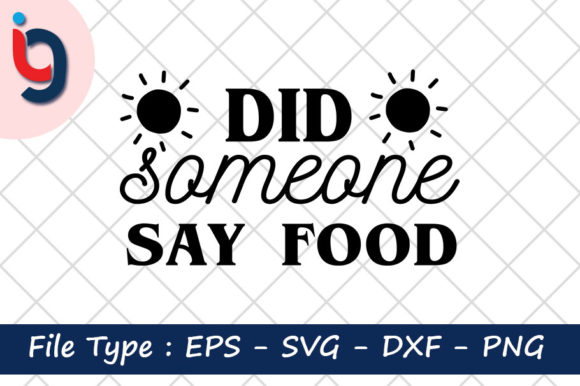
Opening the file for Did Someone Say Food, the immediate impression is one of playful energy. The typography-driven layout leans heavily into the humorous "mom life" aesthetic that sells exceptionally well in small shops and at craft fairs. However, when reviewing an embroidery file, I am less concerned with the joke and more focused on the mechanics of the shape. The lettering appears bold, which is promising for stitch clarity, but the spacing between characters requires careful attention during digitization or conversion if you are adapting the provided vector files.
For those familiar with fill stitch and satin stitch techniques, the curves in the text suggest a need for moderate density. If the design is too open, the backing fabric might show through, ruining the finished product. Conversely, if the density is too high, the fabric could pucker, especially on lightweight materials. The visual personality of Did Someone Say Food feels perfectly suited for kitchen textiles or casual wear, but it demands a thoughtful approach to ensure the humor lands without looking messy.
Real-World Application: From Tote Bags to Sweatshirts
To truly test the viability of this design, I imagined a specific scenario: creating a line of custom embroidered tote bags for a local boutique. The phrase Did Someone Say Food is inherently relatable, making it a strong candidate for a tote bag design or a kitchen towel. In this context, the design needs to pop against cotton canvas or linen. When I visualize the thread colors, a high-contrast palette—perhaps a deep navy or charcoal grey on natural cream fabric—would maximize readability and visual appeal.
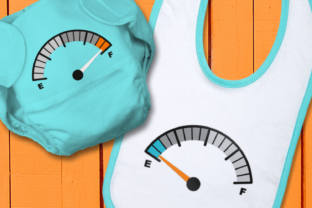
However, the application shifts significantly when considering custom apparel like sweatshirts. On a fleece-backed garment, the texture of the fabric can interfere with fine details. Since Did Someone Say Food relies on clear typography, the hoop size becomes a critical factor. You would likely need a medium-to-large hoop to maintain tension and prevent the letters from distorting during the stitching process. For a personalized gift such as a baby bib or a nursery pillow cover, the design’s playful tone fits perfectly, but the scale must be adjusted so the text remains legible from a distance.
For the Etsy seller or small shop owner, this design offers a versatile asset for holiday embroidery projects. Imagine a set of matching aprons for a family reunion or a batch of caps for a cooking class. The key to success here lies in how the design interacts with the curvature of the cap or the folds of an apron. Flat surfaces yield the cleanest results, but with proper stabilizer use, even curved items can carry the message effectively.
Navigating Fabric Challenges and Stitch Density
While the concept is sound, there are specific areas where Did Someone Say Food requires caution. Thin fabrics, such as silk or light rayon, may struggle to support the weight of the stitches required for bold text. Without the correct stabilizer, the fabric could tear or warp. Similarly, stretchy fabrics like jersey knit demand a cut-away stabilizer to maintain the integrity of the running stitch and fill areas after washing.
Dark fabrics present another challenge. If you plan to use this design on black or dark blue garments, the contrast is vital. A white thread outline (a satin stitch border) around the text would enhance visibility, but this adds complexity to the digitizing process. If the design file does not include these outlines by default, you will need to add them manually in your embroidery software. Furthermore, dense stitch areas can make the fabric stiff. For items that require frequent washing, such as tea towels or children's clothing, ensuring the stitch density is optimized is crucial to prevent cracking or fading over time.
Professional Considerations for Commercial Use
Before integrating Did Someone Say Food into your craft business inventory, several practical steps are non-negotiable. First, always test the design on scrap fabric that matches your final material. This allows you to check for puckering, thread breaks, and alignment issues without wasting expensive stock. Second, review the provided file formats carefully. The ZIP file includes EPS, SVG, PNG, and DXF files. While these are excellent for cut machines and vinyl decals, they are not native embroidery formats like .PES or .DST. You will need to convert these vectors into a machine-readable digital embroidery file using specialized software.
This conversion step is where many hobbyists stumble. Converting a vector graphic directly to stitches can result in excessive jump stitches or poor satin columns. As a professional, I recommend inspecting the converted file closely. Look for tiny lettering that might become illegible once stitched. Check the corners of the letters for sharp points that could snag thread. Finally, create printable mockups in both black and white to assess the visual balance before committing to a full run.
Licensing and Brand Consistency
For those selling finished products, understanding the licensing terms is essential. The description mentions the files are for scrapbooking, cut machines, and vinyl decals, but it does not explicitly detail commercial rights for embroidered goods. Before listing handmade product items on your platform, confirm that the license covers commercial embroidery and the sale of finished items. Selling a product based on a design without the proper rights can jeopardize your brand reputation and lead to legal issues.
Brand consistency is also key. Does Did Someone Say Food align with your shop's aesthetic? If your brand focuses on minimalist elegance, this bold, humorous design might feel out of place. However, for brands targeting parents, foodies, or the home decor market, it serves as a powerful engagement tool. It sparks conversation and creates an emotional connection with the buyer, increasing the perceived value of the item.
Final Verdict for the Maker
In conclusion, Did Someone Say Food is a promising asset for designers looking to expand their catalog with fun, relatable content. Its strength lies in its clear messaging and broad appeal for personalized gifts and small shop products. However, its success depends entirely on the execution. By paying close attention to fabric texture, hoop size, and stitch conversion, you can transform this digital graphic into a high-quality finished product.
Whether you are creating a single embroidered patch for a friend or producing a bulk order for a holiday collection, the principles remain the same: test thoroughly, stabilize properly, and respect the limitations of your materials. With the right preparation, this design can become a bestseller in your lineup, proving that a little bit of humor, combined with technical precision, makes for exceptional embroidery work.