Funny T-shirt Design: A Designer's Practical Review
As a designer who has spent years navigating the gap between digital files and physical stitched products, I approach every new asset with a critical eye. When I first opened the Funny T-shirt Design, my immediate goal was to determine if this graphic could survive the transition from a screen to a needle. This is not just about how it looks in a browser; it is about how it behaves when converted into a machine embroidery design for real-world application.
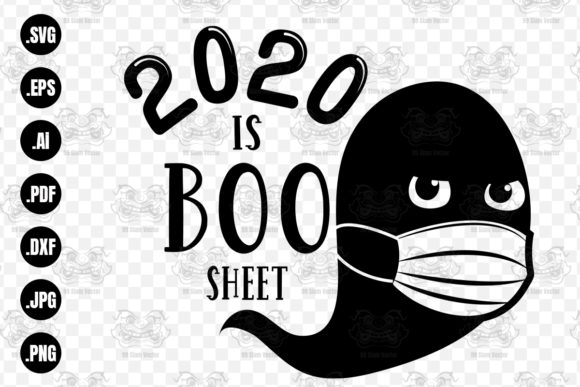
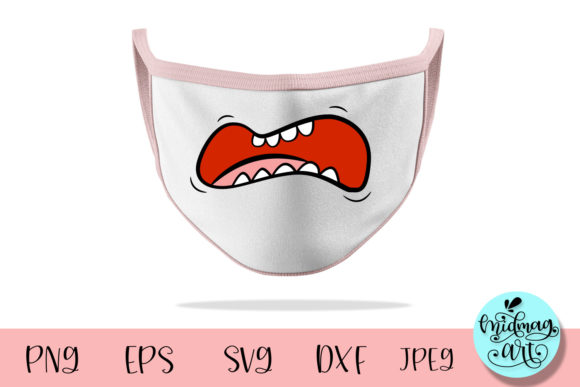
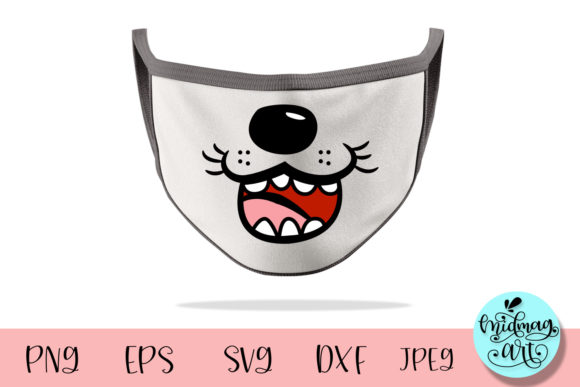
The initial impression of this Graphics asset is one of bold personality. The layout suggests a theme that relies on clear shapes and distinct lines rather than microscopic details. For an Etsy seller or a small shop owner looking to expand their catalog of custom apparel, this kind of visual clarity is essential. It feels like a design born for sweatshirt embroidery or a statement tote bag design where the message needs to be read from across the room. However, before committing to a production run, I needed to evaluate its potential as a commercial embroidery project.
Evaluating Visual Personality for Custom Apparel
When considering a design for a handmade product, the mood it sets is everything. The Funny T-shirt Design exudes a lighthearted energy that translates well into holiday embroidery or personalized gifts. In my experience, designs that rely on humor often perform best when the execution is crisp. If the stitch density is too high or the lines are too thin, the joke gets lost in the texture of the fabric.
I envision using this specific asset on a heavy cotton blend for a winter sweatshirt. The contrast between the dark garment and the bright thread colors would likely make the design pop. However, the success of such a project depends heavily on how the digital file converts to stitches. While the source files include Vector Ai, EPS, PDF, and SVG formats, which are excellent for scaling, the actual embroidery file must be digitized carefully. A good digitizer will know when to use a satin stitch for outlines to give them definition and when to switch to a fill stitch for larger areas to ensure coverage without puckering.
Real-World Application: From Hoop to Finished Product
Let’s imagine a scenario where I am preparing a batch of embroidered patches for a craft fair. I want to use the Funny T-shirt Design on a durable felt backing. Here, the challenge lies in maintaining the integrity of the shape during the stitching process. If the design contains tiny lettering or intricate corners, those are the first places to fail under the pressure of the hoop.
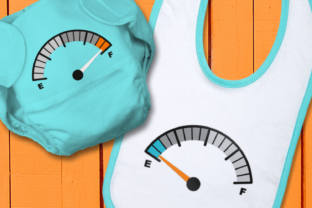
For a baby embroidery project, such as a onesie or a nursery pillow cover, safety and softness are paramount. A design with dense stitch areas can feel scratchy against sensitive skin. Therefore, I would need to review the stitch count and density closely. If the original Print Templates version is too detailed, I might need to simplify certain elements before creating the final embroidery file. The goal is always a finished product that looks professional but feels comfortable.
Consider also the application on curved surfaces like caps. Curved surfaces require specific digitizing techniques to prevent the design from distorting. If the Funny T-shirt Design has long horizontal elements, they might stretch awkwardly on a baseball cap unless the digitizer adjusts the stitch angles. This is why testing the design on scrap fabric first is non-negotiable. You must see how the threads lay down on the specific material you intend to sell.
Navigating Fabric Textures and Stabilizers
Fabric texture plays a massive role in the final look of any embroidery project. On a smooth jersey knit, the design might look sharp and clean. On a textured canvas or a thick denim jacket, the same design could appear slightly softer or even lose some detail. When working with stretchy fabric, the choice of stabilizer becomes critical. Without the right support, the hoop size tension can distort the Funny T-shirt Design, turning straight lines into wavy messes.
For dark fabrics, the design requires a solid underlay to prevent the black thread from showing through lighter colors. This adds to the overall stitch count and time per item, which affects your pricing strategy as a small business owner. You cannot simply assume the design will look the same on a white t-shirt as it does on a navy blue apron. Always compare light and dark fabric backgrounds during your mockup phase.
Practical Notes for the Professional Maker
If you are planning to use the Funny T-shirt Design for your craft business, there are several technical steps you should take to ensure quality control. First, confirm the licensing terms. Just because you have the vector files does not automatically mean you can sell unlimited finished items or resell the digital assets. Read the license agreement to avoid legal issues down the road.
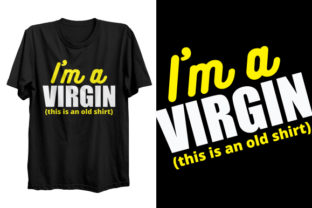
Second, test the design in black and white mockups. Sometimes, color combinations that look great on a monitor clash when stitched due to thread sheen and fabric absorption. Check the thread colors against your actual inventory. Does the yellow thread stand out enough against the grey background? Is the red too vibrant for a subtle boutique branding piece?
Third, inspect small details under magnification. If the design includes text, ensure the font size is large enough to be legible after stitching. Tiny lettering often fills in completely, becoming unreadable blobs. If the design is intended for an embroidered patch, check whether the edges are clean enough for laser cutting or if they require a border stitch to hold the shape.
Maximizing Value and Customer Trust
Ultimately, the value of your handmade product comes down to consistency and professionalism. A poorly executed embroidery job can ruin even the funniest design. Customers trust brands that deliver high-quality, durable goods. When you use a design like the Funny T-shirt Design, you are making a promise of quality. If the stitching is loose, the colors are muddy, or the fabric is puckered, that trust is broken.
By taking the time to test the design, choose the right stabilizer, and verify the hoop size compatibility, you elevate your work from a hobbyist attempt to a professional offering. Whether you are selling a single personalized gift or launching a line of custom apparel, the attention to these details separates the top sellers from the rest.
In conclusion, the Funny T-shirt Design offers a strong foundation for various creative projects. Its bold nature makes it suitable for everything from holiday gifts to small shop merchandise. However, its success relies entirely on your ability to translate the digital graphic into a flawless physical object. With careful planning, proper testing, and a keen eye for detail, this design can become a standout addition to your portfolio of design assets.