Glamma Young Grandma to Be Sublimation Review
As a designer who has spent years navigating the fine line between digital graphics and tangible stitched products, I approach every new asset with a critical eye. When I first encountered Glamma Young Grandma to Be Sublimation, my immediate reaction was one of amusement followed by professional curiosity. The concept plays on the modern evolution of family roles, celebrating the "fashion granny" archetype that resonates deeply with today's younger generation of expectant grandparents. However, in our industry, a funny slogan is only half the battle; the other half is execution. This review breaks down how this specific design translates from a digital file into a high-quality handmade product.
First Impressions: Mood and Visual Personality
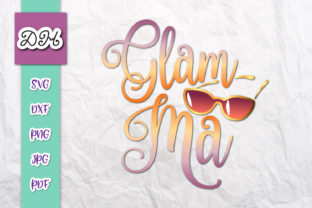
The visual personality of Glamma Young Grandma to Be Sublimation is bold and unapologetically trendy. It moves away from the traditional floral or bird motifs often associated with grandparent gifts, opting instead for a typography-driven layout that screams confidence. For an embroidery project, this means the design relies heavily on lettering clarity and shape definition rather than intricate pictorial details. The mood it creates is celebratory and lighthearted, perfect for a baby shower gift or a surprise reveal party. In the world of Crafts and Graphics, designs like this are becoming essential for small business owners looking to capture the attention of millennial and Gen Z customers who appreciate humor and style over sentimentality alone.
When I visualize this as a machine embroidery design, the challenge lies in maintaining the sharpness of the text while ensuring the stitch density does not overwhelm the fabric. The playful nature of the words "Glam-ma" and "Fashion Granny" suggests a need for clean lines, likely utilizing a combination of satin stitch for the outlines and a tight fill stitch for the interior lettering to ensure opacity without bulk.
Real-World Application: From File to Finished Product
Let's walk through a practical scenario. Imagine you are preparing a custom embroidered tote bag for a client who wants a unique gift for her mother-to-be. You load the embroidery file derived from the sublimation source into your machine. Because the design is text-heavy, the placement on the front center of a canvas tote bag works beautifully. The sturdy nature of the canvas supports the stitch density required for large lettering, preventing the fabric from puckering.
Alternatively, consider using this design for custom apparel like a sweatshirt. A crewneck sweatshirt made of heavy cotton fleece is an ideal candidate. The texture of the fleece can sometimes hide minor imperfections in the stitching, but it also requires a robust stabilizer to prevent the letters from sinking into the loops of the fabric. If you were to use this for baby embroidery, such as a personalized onesie, you would need to be extremely careful with thread weight and tension to ensure the garment remains soft against sensitive skin. The design's versatility allows it to transition seamlessly from a tote bag design to a sweatshirt embroidery project, provided you adjust your settings accordingly.
For the Etsy seller or boutique owner, this design offers significant value. It fits perfectly into holiday collections, specifically for Mother's Day or Christmas, where personalized gifts are in high demand. A well-executed version of Glamma Young Grandma to Be Sublimation on a premium pillow cover or kitchen towel can elevate a simple household item into a cherished keepsake. The key is consistency; if you sell these as part of a brand, the quality of the stitching must match the fun of the message.
Navigating Technical Challenges and Fabric Limitations
While the design is versatile, it is not without its pitfalls. As a reviewer, I must advise caution when applying this to certain materials. Small hoop sizes can be problematic if the design includes long lines of text. If the hoop size is too small, you may have to re-hoop mid-project, which risks misalignment and ruins the flow of the lettering. Always check the dimensions of your digital embroidery file before committing to a project.
Textured fabrics like linen or heavy denim require extra attention. The uneven surface can cause needle skips or uneven thread colors. Similarly, stretchy fabrics like jersey knit are risky for large text blocks unless you use a cutaway stabilizer and reduce the running stitch speed. Dark fabrics present another challenge; the white or light-colored thread needed to make the text pop will require more layers of fill, increasing the risk of stiffness. If you are creating an embroidered patch from this design, the backing material becomes crucial to maintain the shape.
Furthermore, detailed corners in typography can sometimes get lost if the stitch count is too low. Tiny lettering within the phrase "Funny Family" might become illegible if the scale is reduced too much. Always inspect small details in a test run. Curved surfaces, such as caps, can distort the straight lines of the text, making the "Glam-ma" look uneven. It is often better to keep this design flat on bags, shirts, or pillows rather than attempting it on a curved brim.
Designer Notes for Professional Execution
To ensure your finished product meets professional standards, follow these practical steps. First, always test the design on scrap fabric that matches your final project material. This allows you to verify the stitch density and adjust the underlay if necessary. Check your thread color contrast carefully; a subtle grey on a black background will fail to convey the humor of the design.
Review the licensing terms associated with the original files. While the product description mentions formats like SVG, PNG, DXF, JPG, and PDF for cutting machines, converting these to an embroidery format requires ensuring you have the right permissions for commercial use. Do not assume that a sublimation file automatically grants rights for commercial embroidery sales. Confirm whether you can sell the finished items or if the license is restricted to personal use.
Use proper stabilizers tailored to your fabric type. A water-soluble stabilizer might work for a delicate baby blanket, whereas a tear-away or cutaway is better for a durable tote bag. Finally, create printable mockups in both black and white to see how the design reads without color bias. Compare light and dark fabric backgrounds to determine the best presentation for your shop. By treating Glamma Young Grandma to Be Sublimation with the technical respect it deserves, you transform a funny graphic into a high-value, professional-grade handmade product that builds customer trust and enhances your brand reputation.