Review: Baby Funny Little Peanut Embroidery Design
As a designer who has spent years testing digital assets for both personal craft projects and commercial production runs, I approach every new machine embroidery design with a critical eye. The market is flooded with generic graphics, so finding a piece that truly translates well from screen to stitch is a specific skill. Today, I am evaluating the Baby Funny Little Peanut design. On paper, it sounds like a simple concept, but in the world of custom apparel and handmade goods, simplicity often holds the most potential for high-quality execution.
First Impressions: Mood and Visual Personality
When I first opened the preview for Baby Funny Little Peanut, the immediate reaction was warmth. This isn't just another cartoon; it has a distinct visual personality that feels approachable and charming. The layout suggests a balanced composition, which is crucial when you are working within the constraints of a standard hoop. For an Etsy seller or a boutique owner looking to expand their nursery collection, this type of Graphics file offers a clear direction. It doesn't rely on overly complex details that can get lost in the stitching process. Instead, it focuses on shape and character, which usually results in a cleaner finished product.
The design falls squarely into the category of T-Shirt Designs, but its versatility extends far beyond cotton tees. The "funny" aspect mentioned in the title implies a playful expression or pose, which is exactly what parents look for when buying gifts for newborns or toddlers. In my experience, designs that evoke a smile have higher conversion rates because they feel personal rather than mass-produced.
Real-World Application: A Case Study
To truly understand how this embroidery file performs, let's walk through a realistic scenario. Imagine you are preparing a custom order for a baby shower gift basket. You decide to create a set of matching items: a personalized tote bag and a soft fleece sweatshirt. You load the Baby Funny Little Peanut design into your machine software.
For the tote bag design, the canvas is sturdy cotton canvas. Here, the design shines. Because the peanut character likely has defined outlines, using a running stitch or a narrow satin stitch for the edges will pop against the fabric texture. The center of the peanut would be filled with a dense fill stitch. Since the design is not overly intricate, the thread colors should blend smoothly without needing excessive underlay adjustments. The result is a durable, high-value item that customers will appreciate.
Now, consider the sweatshirt embroidery. Fleece and French terry fabrics are trickier because they have more loft and stretch. If the stitch density in the Baby Funny Little Peanut file is too high, it might cause the fabric to pucker, ruining the drape of the garment. However, if the design is well-constructed, it should hold up beautifully. I would recommend using a cut-away stabilizer here to ensure the stitches lay flat and the design remains crisp after multiple washes. This kind of attention to detail separates a hobbyist project from a professional commercial embroidery job.
Navigating Challenges: Where Caution is Needed
While Baby Funny Little Peanut looks promising, no design is universally perfect. As a reviewer, I must highlight where this asset requires careful handling. First, consider the scale. If you attempt to shrink this design down for a small cap or a tiny embroidered patch, you risk losing the "funny" details that make the character work. Tiny lettering or minute facial features can become muddy blobs of thread if the hoop size is too small.
Secondly, think about fabric choice. While this works great on stable fabrics, placing it on very thin materials like chiffon or highly stretchy jersey requires significant stabilization. Without proper support, the tension from the needle can distort the shape of the peanut. Additionally, if you plan to use this on dark fabrics, you will need to check if the design includes a solid underlay. Without it, the background color of the shirt might show through the fill stitches, making the image look dull rather than vibrant.
Another consideration is the frequency of washing. Items like kitchen towels or bibs go through the wash often. If the stitch density is too loose, the threads may snag or fray over time. Always test the design on a scrap piece of the actual fabric you intend to use. Check the back of the stitching to ensure there are no loose threads that could unravel later.
Business Value and Professional Presentation
For creative entrepreneurs and small shop owners, the value of a design lies in its ability to elevate your brand. Using a high-quality asset like Baby Funny Little Peanut signals professionalism. When a customer receives a personalized gift where the embroidery is clean, sharp, and free of puckering, their trust in your brand increases. This design fits perfectly into holiday collections, spring baby showers, or as a staple craft business item.
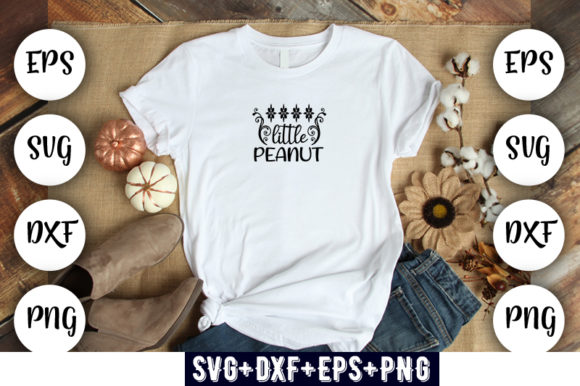
The fact that you receive formats like SVG, DXF, EPS, and PNG is a significant advantage. These digital product formats allow you to use the design across different platforms. You can use the vector files (SVG, DXF, EPS) for precise machine embroidery or cutting machines, while the PNG is perfect for creating printable mockups to showcase your products online before you even stitch them. This flexibility helps in marketing your handmade product effectively on social media and Etsy listings.
Practical Designer Notes for Success
If you decide to incorporate Baby Funny Little Peanut into your workflow, follow these practical steps to ensure success:
- Test Stitch First: Never skip the test run on scrap fabric. Check how the thread colors interact and if the density needs adjustment.
- Check Licensing: Before selling finished items or digital downloads, confirm the license terms. Ensure you have the right to use this design for commercial embroidery projects.
- Stabilizer Selection: Match your stabilizer to the fabric weight. Heavy stabilizers for stretchy knits, lighter ones for wovens.
- Hoop Size Verification: Confirm that the design fits comfortably within your machine's hoop without crowding the edges.
- Mockup Testing: Create black and white mockups to see if the contrast holds up, ensuring the design is visible on various background colors.
In conclusion, Baby Funny Little Peanut is a strong contender for any embroidery project focused on children's wear or home decor. Its balance of playfulness and structural simplicity makes it a reliable asset for designers who want to deliver consistent, high-quality results. Whether you are a seasoned pro or a budding maker, understanding how to manipulate this design for different fabrics and products will ultimately define the quality of your final offering.