Sunflower Embroidery Design: A Real-World Review
As a designer who has spent years translating digital files into tangible thread on fabric, I approach every new machine embroidery design with a mix of excitement and skepticism. The market is flooded with generic assets, so finding a piece that actually holds up under the scrutiny of a real project is rare. Today, I am evaluating the Sunflower design, described as a "Funny Cool DIY Handcraft Making Party decor" asset intended to elevate gifts, cards, and handmade shirts. Before you download this embroidery file for your next batch of products, let's break down how it performs in the hands of a working craft business owner.
First Impressions: Visual Personality and Mood
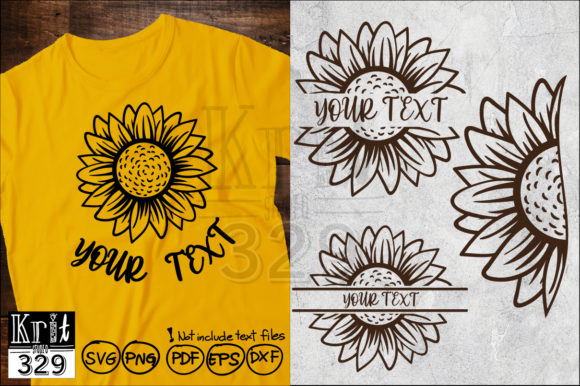
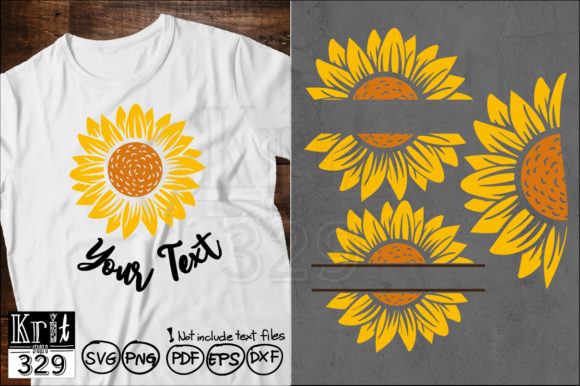
When I first opened the preview of Sunflower, the immediate vibe was cheerful and unpretentious. Unlike hyper-realistic botanical designs that demand perfect tension and high stitch counts, this graphic leans into a stylized, playful aesthetic. It feels like the kind of design that screams "summer party" or "rustic boutique." The layout appears balanced, avoiding the trap of being too top-heavy, which is a common issue with floral motifs. For an Etsy seller or someone running a small shop product line, the visual personality suggests versatility. It doesn't look like a stiff corporate logo; instead, it has that handmade charm that customers crave when browsing for a personalized gift.
The description mentions it will make a shirt look "cooler and more fun," and from a design perspective, I agree. The bold lines implied by the SVG format suggest it translates well into satin stitch borders or clean fill areas. However, because it is categorized under Graphics and Crafts, one must be careful not to assume it includes complex shading. If you are looking for a photorealistic flower, this might disappoint. But if you need a graphic pop for a tote bag design or a patch, the simplicity is its greatest strength.
Real-World Application: From File to Fabric
To truly judge Sunflower, I imagined using it for a specific client project: a custom embroidered tote bag for a local garden center's summer sale. In this scenario, the design would be placed centrally on a natural canvas background. Here, the bright yellow petals (assuming standard thread colors) would pop against the beige fabric without needing excessive outlining. The "funny cool" aspect mentioned in the product description implies a slightly whimsical twist, perhaps in the face or the stem, which adds character to what could otherwise be a boring utility item.
I also considered how this would work on sweatshirt embroidery. Cotton fleece can be tricky because the pile can hide fine details. Since Sunflower appears to have distinct shapes rather than intricate inner detailing, it would likely hold up well on heavier fabrics. The design seems robust enough to withstand the bulk of a hoodie pocket or the back yoke of a sweatshirt. For baby embroidery, such as a onesie or a bib, the soft curves of the flower are ideal. Parents love nature themes, and a sunflower is universally recognized as a symbol of warmth and happiness, making it a safe bet for nursery decor or holiday gifts.
If you are producing an embroidered patch, this design is a strong contender. Patches require clear silhouettes and defined edges. The graphic nature of Sunflower means it should cut cleanly on a laser cutter if you are doing applique, or stitch crisply if you are using a standard fill stitch. For a commercial embroidery run, consistency is key. A design that relies too much on tiny running stitch details can fail on different machines, but a bold graphic like this tends to be forgiving across various hoops and brand machines.
Navigating Challenges: Where Caution is Needed
Despite its strengths, no design is a magic bullet. There are specific scenarios where Sunflower requires extra attention. First, consider the hoop size. While the description does not specify dimensions, many "cool" graphics are designed for large hoops. If you attempt to scale this down for a cap or a small baby sock, the petals may merge, and the "fun" details could turn into a muddy blob. Always check the actual pixel dimensions before committing to a small finished product.
Fabric texture is another critical factor. On a highly textured surface like a waffle weave blanket or a thick denim jacket, the contrast between the thread and the fabric becomes vital. If you use this on dark fabric, ensure the thread colors are vibrant enough to stand out. A pale yellow sunflower on black denim might get lost unless you add a dense backing or a contrasting outline. Additionally, stretchy fabrics like jersey knit require a heavy-duty stabilizer. Without proper support, the tension of the machine pulling the thread could distort the round shape of the sunflower, ruining the symmetry.
Be wary of using this on curved surfaces like baseball caps without testing first. The brim of a cap introduces significant distortion. If the design has long stems or leaves extending outward, they might bunch up at the seam. For these applications, a smaller version of the flower head only might be safer. Also, remember that frequent washing can wear down delicate stitches. If you are selling kitchen towels or aprons, ensure the stitch density is high enough to prevent fraying over time, especially in the center of the flower where the disc sits.
Practical Designer Notes for Success
Before you integrate Sunflower into your workflow, follow these practical steps to ensure professional results:
- Test on Scrap Fabric: Never skip the test run. Stitch the design on a scrap piece of the exact fabric you plan to use. This reveals issues with tension, pull, and color matching that a screen preview cannot show.
- Check Thread Color Contrast: The mood of the design depends on the colors. Test how the yellow petals look against white, cream, navy, and grey backgrounds. Sometimes a slight shift in hue makes all the difference in perceived quality.
- Verify Licensing: The product description states you receive "SVG files – PN." It is crucial to confirm whether "PN" stands for Personal Use Only or if there are commercial rights included. As a digital product seller, you must know if you can sell items made with this design or if you can resell the file itself.
- Review Stabilizer Needs: Based on the density of the fill, determine if you need a tear-away, cut-away, or water-soluble stabilizer. Heavier fills usually require cut-away for durability.
- Create Mockups: Before listing on Etsy or your shop, create a printable mockup or a photo of a sample. Customers buy with their eyes, and seeing how the design looks on a real shirt builds trust.
Final Verdict: Is Sunflower Worth Your Time?
In the world of design assets, Sunflower offers a refreshing dose of personality. It is not trying to be everything to everyone, but for the right project, it shines. It fits perfectly into the handmade product niche, appealing to customers who want something cheerful and distinctive for their home or wardrobe. Whether you are decorating a pillow cover, creating a holiday gift, or stocking a boutique shelf, this design has the potential to increase buyer engagement due to its recognizable and positive imagery.
However, its success hinges on your execution. Treat it with respect regarding scaling, stabilizer choice, and fabric selection. If you do your due diligence, Sunflower can become a staple in your collection, adding that "fun" factor that turns a simple garment into a conversation starter. For the serious crafter or small business owner looking to expand their catalog with reliable, cheerful graphics, this is a solid addition to your toolkit, provided you verify the licensing terms for your specific business model.