Baby Funny Eat, Sleep, Be Cute, Repeat Review
As a designer who has spent years navigating the intersection of digital files and physical thread, I approach every new machine embroidery design with a specific set of questions. Will it stitch out cleanly? Does the aesthetic hold up when translated from a screen to fabric? Most importantly, will it sell or serve as a memorable personalized gift? Today, I am putting Baby Funny Eat, Sleep, Be Cute, Repeat through that exact lens. This isn't just another graphic; it is a potential staple for your craft business or a cherished addition to a nursery collection.
The First Impression: Mood and Visual Personality
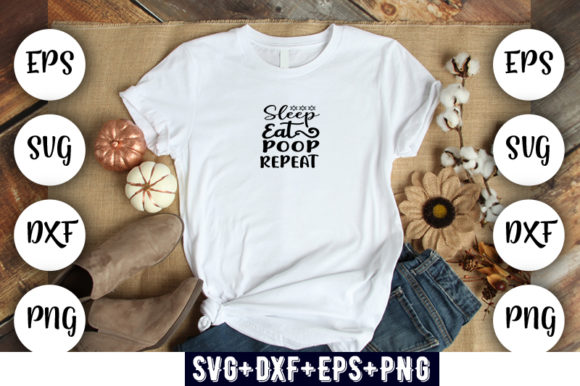
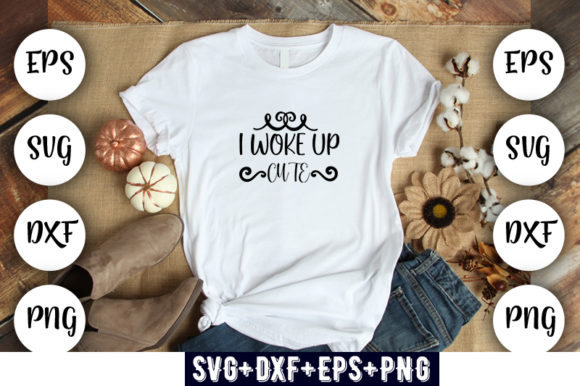
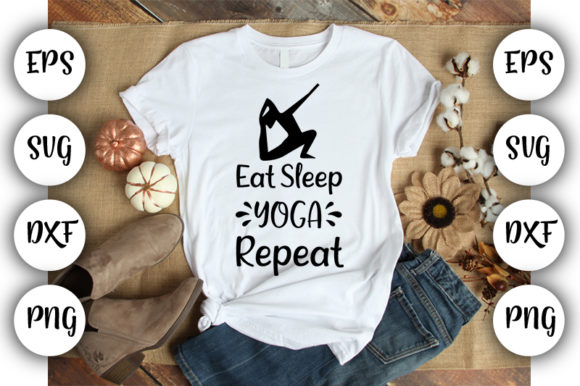
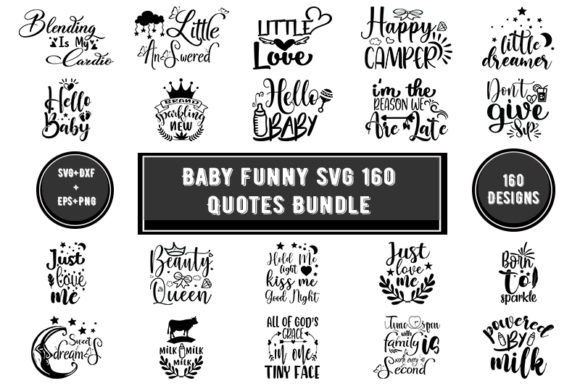
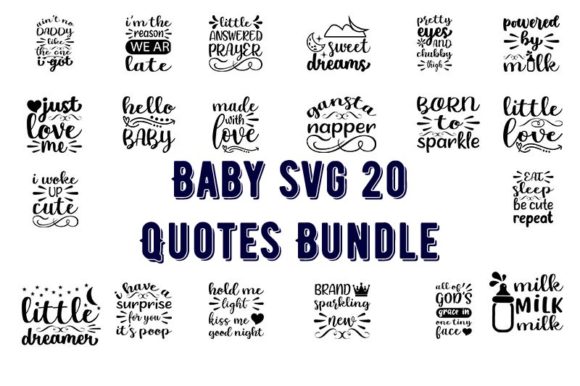
When I first opened the preview for Baby Funny Eat, Sleep, Be Cute, Repeat, the immediate vibe was playful yet timeless. The phrase itself is a classic nursery rhyme cadence, instantly recognizable to parents and grandparents alike. Visually, the layout feels balanced, avoiding the clutter that often plagues text-heavy designs. As a Graphics asset, it relies on strong typography and perhaps simple iconography to convey its message without overwhelming the eye.
In the context of T-Shirt Designs or baby apparel, this kind of clean composition is vital. It suggests a design that can scale well without losing legibility. The mood is lighthearted and warm, making it an ideal candidate for holiday embroidery gifts or welcoming a new arrival. However, the true test of any design lies not in how it looks on a monitor, but in how it behaves under the needle.
Real-World Application: From File to Fabric
Let's imagine a real scenario. You are an Etsy seller preparing a batch of custom embroidered tote bags for a local boutique. You need a design that stands out against canvas but doesn't fray after a few washes. Baby Funny Eat, Sleep, Be Cute, Repeat fits this use case perfectly. The text-based nature of the design means you have control over the stitch types. You could opt for a bold satin stitch for the letters to give them a glossy, premium finish, or use a dense fill stitch if you want a softer, more integrated look.
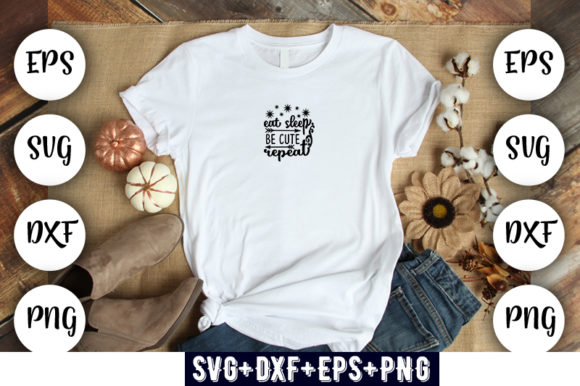
I also see this working beautifully on a sweatshirt embroidery project. Imagine a soft, heather-grey hoodie for a new mother. Placing this design on the front left chest creates a subtle statement, while centering it on the back makes it a fun, larger-scale feature. Because the file comes in formats like SVG, DXF, EPS, and PNG, you have the flexibility to manipulate the size and shape before importing it into your digitizing software. This versatility is crucial for small shop product lines where variety drives sales.
For those creating personalized gifts, this design is a winner. Picture a pillow cover for a nursery or a kitchen towel for a baby shower. The phrase "Eat, Sleep, Be Cute, Repeat" resonates deeply with the target audience. When executed correctly, the finished product feels professional and thoughtful, elevating the perceived value of your handmade item.
Navigating Challenges: Where Caution is Needed
While Baby Funny Eat, Sleep, Be Cute, Repeat is versatile, it is not immune to the common pitfalls of embroidery. If you plan to use this on a curved surface like a baseball cap, you must pay close attention to the letter spacing and curve adjustments. Text that looks straight on a flat hoop can distort significantly on a cap, leading to unreadable words. Always run a test on scrap fabric that mimics the final material's curvature.
Fabric texture is another critical factor. On thick, textured fabrics like heavy denim or chunky knits, small details in the text might get lost. If the design includes tiny decorative elements or fine serifs, they may require simplification or a switch to a thicker font weight to ensure clarity. Similarly, on dark fabrics, the contrast of your thread colors becomes paramount. A white or pastel thread might not pop enough on black cotton without a backing layer or a high-density fill.
Stretchy fabrics present their own challenge. If you are embroidering this onto a jersey t-shirt, the tension of the machine combined with the stretch of the fabric can cause puckering. Using the right stabilizer is non-negotiable here. A tear-away stabilizer might suffice for stiff items, but a cut-away or wash-away mesh is often better for garments that will be worn and washed frequently.
Practical Designer Notes for Success
To ensure your embroidery project succeeds, start by testing the design on a scrap piece of the actual fabric you intend to use. Check the stitch density; if it is too tight, the fabric may pucker, and if it is too loose, the underlying threads might show through. Since the product description lists SVG, DXF, EPS, and PNG formats, remember that these are vector or raster images, not necessarily pre-digitized .PES or .DST files for your machine. You will likely need to import these into your digitizing software to create the actual stitch paths.
Before committing to a full production run, create a printable mockup in black and white. This helps you assess the visual weight of the design without the distraction of color. Compare how it looks on light versus dark backgrounds. For commercial embroidery, consistency is key. Ensure that every time you produce this design, the hoop placement and thread tension remain identical to maintain brand quality.
Also, consider the licensing terms carefully. While the file formats suggest a digital download, always confirm whether you are allowed to sell the finished handmade product or if there are restrictions on using it for commercial design assets. For an Etsy seller or craft business owner, understanding these rights protects your investment and reputation.
Final Verdict: Value and Engagement
Baby Funny Eat, Sleep, Be Cute, Repeat offers significant value for designers looking to expand their catalog of baby embroidery options. Its simple, relatable message ensures high buyer engagement, and its adaptability allows it to fit various products, from embroidered patches to tote bag designs. When paired with high-quality materials and proper technique, it transforms a basic phrase into a professional-grade finished product.
Ultimately, this design is about more than just stitching letters; it is about capturing a moment of joy for a parent. By paying attention to the details—choosing the right hoop size, managing thread colors, and selecting the appropriate stabilizer—you can turn this digital file into a tangible keepsake that customers will cherish. Whether for a holiday gift, a boutique listing, or a personal project, this design proves that sometimes the simplest messages make the strongest impact.