Review: Baby Funny Sleep, Eat, Poop, Repeat
As a designer who has spent years navigating the intersection of digital art and physical stitching, I approach every new machine embroidery design with a critical eye. The market is flooded with generic patterns, but occasionally, a piece arrives that captures a specific moment in time perfectly. Baby Funny Sleep, Eat, Poop, Repeat is one such design. It belongs to the category of T-Shirt Designs and Graphics, yet its utility extends far beyond a simple shirt print. When evaluating this embroidery file for real-world application, the first thing that strikes me is the honesty of the theme. New parents do not need flowery poetry; they need relatable humor that acknowledges the chaotic reality of their new lives.
The Visual Impact and Design Layout
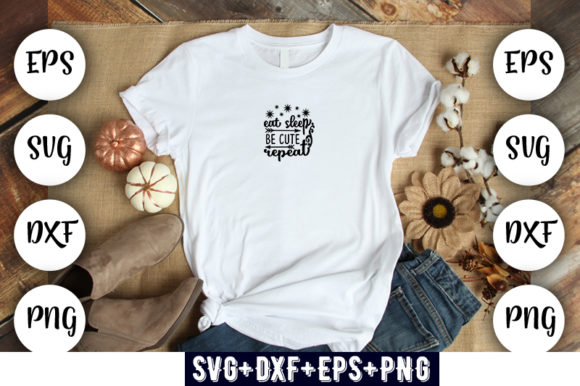
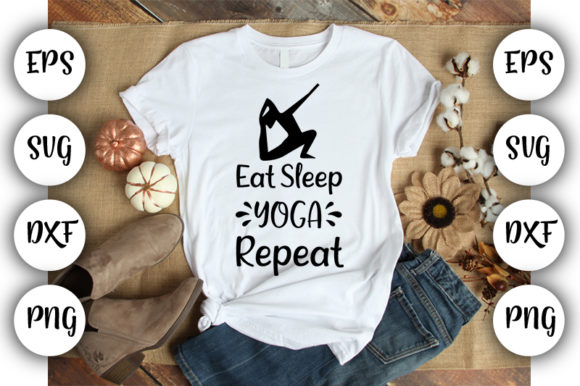
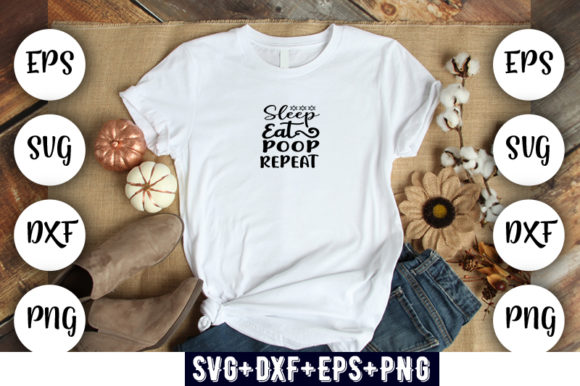
Upon opening the preview of Baby Funny Sleep, Eat, Poop, Repeat, the layout feels balanced and purposeful. The typography appears bold enough to hold its own against textured fabrics, which is crucial for any handmade product intended for daily use. The visual personality is playful without being cluttered. In my experience, designs that rely heavily on tiny details often fail when translated into thread. However, this graphic seems to prioritize clear shapes and legible text, suggesting it will stitch out cleanly even on standard home machines.
The mood it creates is immediately warm and inviting. It taps into the universal language of parenting, making it an excellent candidate for personalized gifts. Whether you are looking at it as a standalone statement or part of a larger collection, the design assets feel cohesive. For an Etsy seller or a small shop owner, this kind of immediate recognition is gold. Customers browsing for nursery decor or baby shower gifts want something that speaks directly to their experience, and this design does exactly that.
Real-World Application: A Custom Sweatshirt Scenario
To truly test the viability of Baby Funny Sleep, Eat, Poop, Repeat, let's imagine a practical scenario. Picture a client commissioning a custom sweatshirt for a new father. The fabric is a soft, heather-grey cotton blend, slightly textured. This is where the choice of stitch density and thread colors becomes critical. If the design relies too heavily on fine running stitch outlines, the texture of the sweatshirt might swallow the details. However, if the design utilizes a solid fill stitch for the main elements, it should pop beautifully against the grey background.
In this context, the design transforms from a simple graphic into a statement piece. Imagine the finished product: the phrase stitched across the chest, perhaps with a small icon representing each stage of the cycle. The result is a custom apparel item that feels both professional and deeply personal. This is the kind of project that builds customer trust. When a buyer receives a high-quality finished product where the lettering is crisp and the stitches are secure, they are more likely to return for future orders. This design fits perfectly into the niche of boutique branding, offering a unique selling point that mass-produced items cannot match.
Technical Considerations for Embroidery Designers
While the concept is strong, the execution depends entirely on how you prepare the digital embroidery file. Before committing to a final garment, I always recommend testing the design on scrap fabric first. This step is non-negotiable. You need to verify that the hoop size accommodates the entire layout without distorting the text. If you are working with a smaller hoop, you may need to resize the design, which can sometimes compromise the clarity of the lettering.
Another critical factor is the choice of stabilizer. Since this design involves text, which can be prone to shifting or puckering, using a tear-away or cut-away stabilizer appropriate for your fabric weight is essential. For heavier items like tote bags or hoodies, a stronger stabilizer ensures that the satins stitch remains smooth and the edges do not fray over time. Additionally, consider the fabric texture. On very thick or looped materials, such as certain types of fleece, the needle penetration depth must be adjusted to prevent skipped stitches.
Where Caution Is Advised
There are specific situations where Baby Funny Sleep, Eat, Poop, Repeat requires extra care. While it works wonderfully on flat surfaces like t-shirts and pillow covers, curved surfaces like caps present a challenge. The curvature can distort the text if the design is not specifically digitized for a cap frame. Similarly, on thin or stretchy fabrics, the tension of the machine can cause the design to pucker, ruining the aesthetic appeal. In these cases, a lighter touch with the stitch density and a more flexible stabilizer are necessary.
Dark fabrics also demand attention. If you plan to use this design on black or navy garments, ensure that the thread colors offer sufficient contrast. White or bright pastel threads work well, but you may need to add a layer of underlay to make the colors pop. Without proper underlay, the dark fabric can show through the stitches, making the design look muddy and unprofessional.
Commercial Viability and Business Growth
For creative entrepreneurs and small business owners, this design represents a low-risk, high-reward opportunity. The "sleep, eat, poop, repeat" mantra is evergreen; it never goes out of style because the cycle of parenting never changes. This makes it a reliable asset for holiday embroidery projects, baby showers, and even as a fun addition to a craft fair booth. The versatility allows you to create a range of products, from embroidered patches to kitchen towels and aprons.
When listing these items online, the visual appeal of the mockup plays a huge role. Creating a printable mockup that showcases the design on various products helps potential buyers visualize the final result. Seeing the design on a cozy blanket or a stylish tote bag can significantly increase buyer engagement. Furthermore, offering this as a commercial embroidery option allows you to cater to corporate clients looking for unique employee gifts or promotional items for family-oriented events.
Final Thoughts on File Formats and Usage
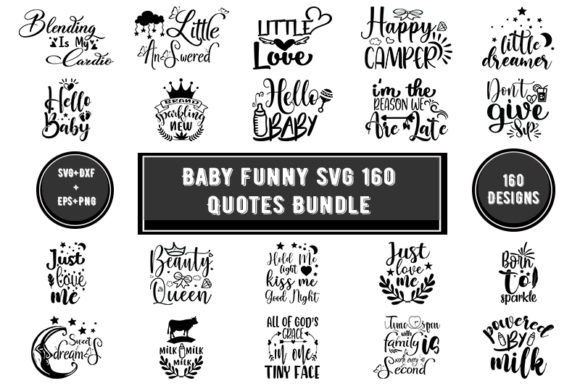
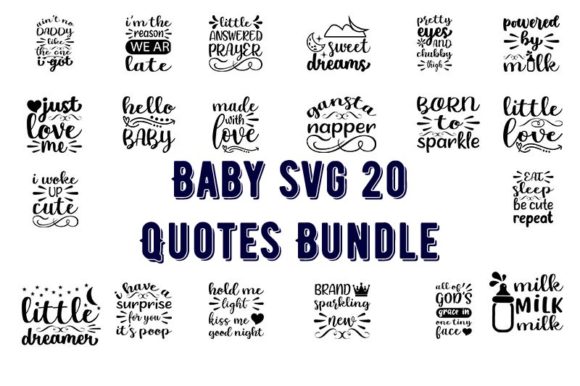
It is worth noting that the package includes multiple formats: SVG, DXF, EPS, and PNG. This variety is beneficial for designers who use different software or who wish to integrate the design into other digital workflows. However, remember that while these files are versatile, they are primarily vector-based graphics. To use them for actual stitching, you must ensure they are properly converted into a format compatible with your embroidery machine, or check if a dedicated embroidery file version is available for download.
Before selling any finished product featuring Baby Funny Sleep, Eat, Poop, Repeat, always confirm the licensing terms. Some licenses restrict commercial use or require attribution. Ensuring you have the right permissions protects your business and maintains your reputation as a professional creator. By taking the time to review the license, test the design, and choose the right materials, you can turn this simple graphic into a standout piece of your portfolio.
In conclusion, Baby Funny Sleep, Eat, Poop, Repeat is more than just a funny slogan; it is a practical, emotionally resonant design that fits seamlessly into the world of handmade goods. With careful preparation and attention to detail, it can become a staple in your collection of design assets, bringing joy to parents and value to your craft business.