Egg Force One Funny Easter: A Designer's Review
As a designer who has spent years translating digital concepts into tangible thread, I approach every new asset with a mix of excitement and skepticism. When Egg Force One Funny Easter landed in my queue, the title alone promised a playful twist on a classic holiday theme. But for those of us running craft businesses or creating custom apparel, a funny title isn't enough. We need to know if the design holds up under the pressure of a machine needle, how it interacts with fabric texture, and whether it will actually sell as a finished product. This review breaks down the practical reality of using this graphic in real-world embroidery projects.
First Impressions: Visual Weight and Theme
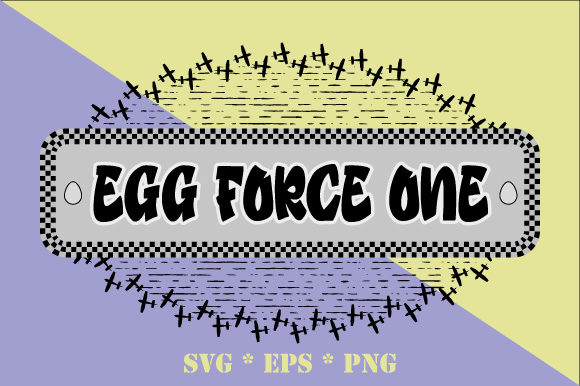
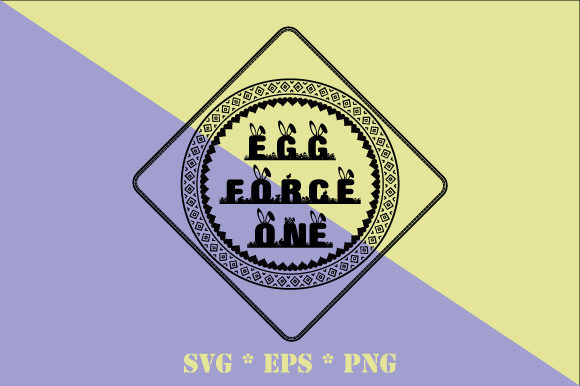
The concept behind Egg Force One Funny Easter is immediately engaging. It plays on pop culture references while maintaining the seasonal charm required for spring collections. Visually, the layout feels balanced, avoiding the common pitfall of being too top-heavy or having disjointed elements that confuse the eye during stitching. The illustration style leans towards bold lines and clear shapes, which is generally a positive sign for machine embroidery. In the world of Illustrations and Graphics, clarity is king. If a design relies on tiny gradients or microscopic details, it often gets lost when converted to stitch density. Here, the visual personality shines through without requiring an excessive amount of running stitch or overly complex fill stitch areas that could cause puckering.
For an Etsy seller or boutique owner, the mood is perfect for lighthearted merchandise. It screams "fun gift" rather than "formal decor," which helps in targeting the right customer segment. The humor makes it highly shareable on social media, a crucial factor for driving traffic to small shop products.
Real-World Application: From File to Fabric
Let's talk about a specific scenario. Imagine you are preparing a limited run of custom embroidered tote bags for an upcoming Easter market. You want something that stands out against the sea of pastel bunnies. Egg Force One Funny Easter fits this niche perfectly. Because the design features distinct outlines and solid color blocks, it translates well to the sturdy canvas of a tote bag. The tote bag design potential is high because the graphic doesn't require delicate handling; it can handle the slight give of woven fabric without losing its shape.
Consider also a sweatshirt embroidery project. Hoodies are a staple for crafters, but they present challenges due to their thickness and texture. With this design, the bold nature of the illustration means you can use a slightly thicker stabilizer without worrying about the stitches sinking into the fleece. The result is a crisp, raised look that adds value to the garment. Customers appreciate custom apparel that looks professional, and the clean lines of this file help achieve that polished finish even on textured fabrics.
For parents looking for baby embroidery, this design offers a fun alternative to traditional nursery themes. Applied to a onesie or a soft blanket, the bright colors and humorous element make for an excellent personalized gift. However, care must be taken with the placement. On stretchy baby cotton, the hoop size needs to be managed carefully to prevent distortion once the item is worn.
Navigating Technical Challenges
While Egg Force One Funny Easter is robust, it is not immune to the physics of embroidery. There are specific situations where this design requires extra attention. First, consider small hoop sizes. If you attempt to fit the entire composition into a 4x4 inch hoop, you risk crowding the details. The design likely works best in a medium to large hoop (5x7 or 6x10) to allow the character to breathe. Forcing it smaller might compress the satin stitch borders, leading to gaps or uneven edges.
Fabric choice is another critical variable. On dark fabric, the contrast becomes paramount. If the original design relies on light pastels, you may need to adjust the thread colors significantly to ensure visibility. Always test the design in black and white mockups first to see if the silhouette holds up without color cues. Additionally, avoid using this on very thin or sheer materials unless you use a heavy-duty tear-away stabilizer. The weight of the thread could warp lightweight chiffon or organza, ruining the drape of the garment.
Curved surfaces like caps or hats also demand caution. While the main body of the egg might sit well on a flat patch, any text or extended limbs could distort when wrapped around a curved brim. If you plan to create an embroidered patch version of this design, ensure the backing is stiff enough to maintain the shape before sewing it onto a hat.
Practical Notes for Designers and Makers
Before committing to a production run, there are several steps I recommend for any serious maker. First, always test the design on scrap fabric that matches your final material. Check the stitch density to ensure the threads aren't pulling too tight, which causes puckering, or too loose, which leaves holes. Since you receive this design in formats like SVG 1.1 Vector, EPS Vector, AI 10, and PNG transparent Background 300 dpi, you have flexibility. Use the vector files for precise scaling and the PNG for quick digital previews or printable mockups.
When working with the vector files, inspect the node count. High node counts can sometimes lead to jagged edges in the final stitch-out. Simplify paths if necessary before converting to an embroidery format. Also, verify the licensing terms. Just because you own the file doesn't mean you can sell the digital file itself. Typically, these assets are for creating physical goods only. Confirm whether you can sell the finished product or if there are restrictions on the number of items produced for commercial use.
Color management is key. Don't just pick random threads from your stash. Plan your palette to match the brand consistency of your shop. If you are selling holiday embroidery items, ensure the colors are vibrant enough to catch the eye in a crowded marketplace. Finally, think about the end-user experience. Will this design survive frequent washing? Dense stitch areas can become scratchy over time. If making items for children or pets, consider reducing the fill density slightly to improve comfort.
Final Verdict on Value and Appeal
Egg Force One Funny Easter is more than just a cute image; it is a versatile asset for the modern crafter. Its strength lies in its ability to bridge the gap between a simple joke and a high-quality machine embroidery design. For the small business owner, it offers a low-risk entry into the holiday market with a design that has broad appeal. The availability of multiple file formats ensures compatibility with various workflows, from digital planning to physical stitching.
However, success depends on execution. By respecting the limitations of hoop size, fabric type, and thread selection, you can turn this graphic into a standout piece of handmade product art. Whether you are decorating a kitchen towel, creating a unique apron, or stocking a boutique with festive wear, this design provides the visual punch needed to engage buyers. It builds trust in your craftsmanship because it looks intentional and professional. As we move into the spring season, designs like this remind us that humor and quality can coexist beautifully in the world of commercial embroidery.