Funny Cat: A Designer's Review for Embroidery Projects
As a designer who has spent years translating digital vectors into tangible stitched goods, I approach every new Graphics asset with a critical eye. The market is flooded with cute illustrations, but few translate well from a screen to a fabric surface without losing their charm or structural integrity. When I first opened the file for Funny Cat, my immediate goal was to determine if this Kawaii kitten vector could survive the rigors of a real-world embroidery project. This is not just about how it looks in a preview; it is about how it behaves under the needle.
The First Impression: Mood and Visual Personality
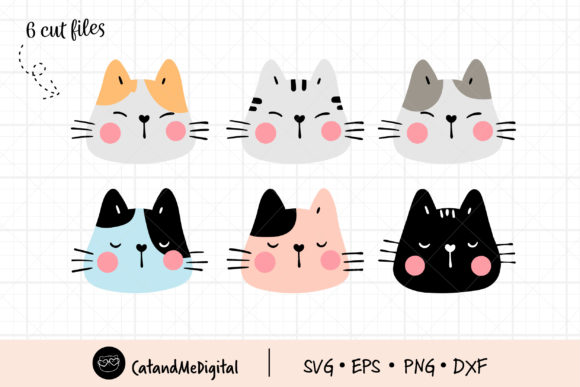
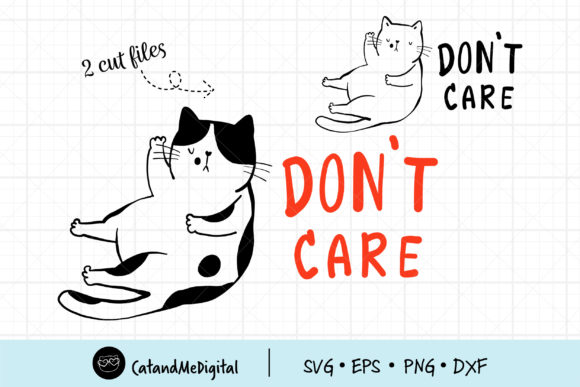
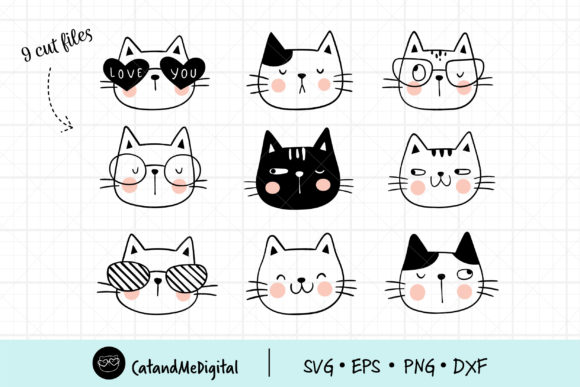
Funny Cat immediately establishes a playful, whimsical mood that fits perfectly within the current trend of soft, rounded aesthetics. As an Illustrations piece, it relies on clean lines and exaggerated features typical of the Kawaii style. In a digital mockup, the design pops with personality. However, my job as a reviewer is to look past the initial cuteness and assess the geometry. The shape is compact, which is excellent for smaller applications, but the layout suggests a reliance on smooth curves rather than sharp angles. This is promising for machine embroidery, as sharp corners can often lead to thread bunching or registration errors during stitching.
The visual personality of Funny Cat feels versatile. It does not scream "nursery" exclusively, though it certainly belongs there. It has enough character to work as a statement piece on adult apparel or a subtle accent on home decor. The level of detail appears balanced—not so dense that it risks puckering thin fabrics, yet detailed enough to remain recognizable at a distance. This balance is crucial for any handmade product intended for sale, where clarity equates to perceived quality.
Real-World Application: From File to Finished Product
To truly test the potential of this machine embroidery design, I imagined a specific scenario: creating a limited run of custom embroidered tote bags for a local boutique. Tote bags are a staple for small business owners because they offer a large, flat canvas, but they also require durability. If I were to use Funny Cat here, the placement would likely be centered on the front panel. The design's simplicity suggests it would hold up well against the coarse texture of canvas. The fill stitch areas in the cat's body would need to be dense enough to prevent the background fabric from showing through, especially if using lighter thread colors on natural canvas.
Another strong use case for this embroidery file is custom apparel, specifically sweatshirts. The soft, rounded nature of the Kawaii kitten pairs beautifully with the heavy cotton fleece of a sweatshirt. For a sweatshirt embroidery project, the design could serve as a chest logo or a larger back print. Because the design is digital and scalable, an Etsy seller could easily adjust the size to fit different garment dimensions. The key here is ensuring that the stitch density remains consistent when resized. If the design is scaled too small, the intricate details of the cat's expression might get lost, turning into a muddy blob of thread.
I also see significant potential for baby embroidery. Soft, friendly animal characters are timeless for onesies, bibs, and receiving blankets. However, working with baby items requires extra caution regarding fabric stretch. Funny Cat would need to be hooped tightly with the correct stabilizer to ensure the stitches do not distort the fabric or irritate sensitive skin. The design's gentle aesthetic makes it a perfect candidate for personalized gifts, such as a monogrammed pillow cover or a holiday ornament, adding a touch of warmth and professionalism to a small shop product.
Navigating Challenges: Where Caution Is Required
While Funny Cat is a robust design, it is not without its limitations. One area that demands careful attention is the application on textured fabrics. If you attempt to embroider this design on a thick terry cloth towel or a nubby linen, the running stitch outlines may struggle to define the edges clearly. The texture of the fabric can compete with the thread, reducing the overall visual impact. In these cases, increasing the stitch count slightly or using a thicker thread weight might be necessary to maintain definition.
Stretchy fabrics present another challenge. On a jersey knit t-shirt, the elasticity of the material can cause the design to warp over time, especially after washing. To mitigate this, I would recommend using a tear-away stabilizer that provides temporary rigidity during stitching but leaves the fabric flexible afterward. Additionally, curved surfaces like caps require precise digitizing adjustments. While the provided SVG cutting files are excellent for laser cutting or vinyl, converting them to a true digital embroidery file for a cap hoop requires ensuring that the stitches follow the curve of the brim without distorting the cat's face.
Dark fabrics also warrant consideration. The default color palette for a Kawaii design often includes light pastels. Stitching light threads on a black sweatshirt without a backing layer can result in poor coverage and a dull appearance. Designers should plan for a satin stitch underlay or a white base fill to make the colors of Funny Cat pop. Furthermore, tiny lettering, if added alongside the design, must be kept minimal. Overcrowding the design with text can ruin the balance and make the final product look cluttered.
Designer Notes for Professional Execution
Before committing to a full production run, always test the design on scrap fabric first. This step is non-negotiable for any professional. Check the thread colors against your actual fabric swatches to ensure sufficient contrast. Review the hoop size requirements to confirm that the design fits comfortably within your machine's workspace without excessive tension on the edges. Inspect small details closely; sometimes, what looks clear on a monitor becomes indistinct once stitched.
It is also wise to test the design in black and white printable mockups to evaluate the value distribution before spending thread. Compare how the design performs on both light and dark fabric backgrounds to understand its versatility. Use the proper stabilizer for your specific fabric type—cutaway for knits, tear-away for wovens—to ensure the longevity of the finished product. Finally, confirm the licensing terms. Since this is an instant download digital product, verify whether you are allowed to sell finished items containing Funny Cat or if the license restricts commercial use. Understanding these boundaries protects your craft business and ensures you are operating legally.
Impact on Brand and Customer Perception
Ultimately, the choice of design assets like Funny Cat affects more than just the look of a single item; it influences customer trust and brand consistency. A well-executed embroidered patch or tote bag design signals quality and attention to detail. Customers buying from a handmade shop expect precision. If the stitching is loose, the colors bleed, or the design is distorted, it reflects poorly on the maker. Conversely, a crisp, vibrant rendition of this Kawaii kitten can elevate a simple garment into a coveted collectible.
For the creative entrepreneur, using high-quality design assets allows for rapid prototyping and diverse product offerings. Whether you are preparing for a craft fair, updating your Etsy listings, or fulfilling a custom order, having a reliable design like Funny Cat in your arsenal saves time and reduces risk. It offers a familiar, appealing theme that resonates with a wide audience, from cat lovers to parents looking for unique nursery decor.
In conclusion, Funny Cat is a strong contender for various commercial embroidery projects. Its clean lines and charming aesthetic make it adaptable for everything from baby clothes to holiday gifts. However, success lies in the execution. By respecting the limitations of different fabrics, choosing the right stabilizers, and testing thoroughly, designers can transform this digital vector into a physical masterpiece that customers will love and cherish.