Funny Clock Pattern: A Designer's Real-World Review
As a designer who has spent years navigating the intersection of digital art and physical stitching, I approach every new machine embroidery design with a mix of excitement and skepticism. The market is flooded with Patterns that look great on a screen but fall apart under the needle. Today, I am putting the Funny Clock Pattern through its paces to see if it holds up for real-world projects, from custom apparel to boutique merchandise. This isn't just about whether the file opens; it is about how this Graphics asset translates into a tangible, high-quality finished product.
The First Impression: Visual Personality and Layout
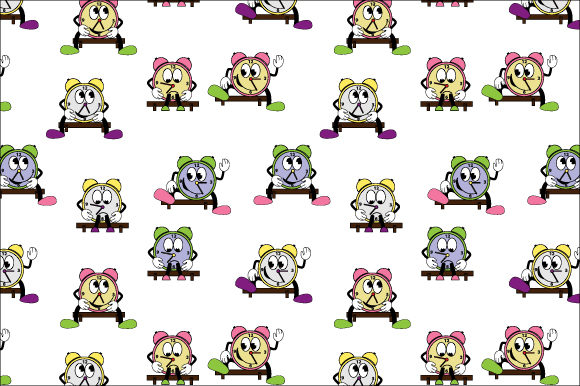
When I first loaded the Funny Clock Pattern into my editing software, the immediate reaction was one of playful charm. The design leans heavily into a whimsical aesthetic, featuring a clock face that defies traditional expectations. The layout is balanced, avoiding the common pitfall of overcrowding the center while maintaining enough visual weight to stand out. For an Etsy seller or a small shop owner, visual personality is currency. This design offers a distinct character that could easily anchor a collection of time-themed goods.
The lines are clean, which is crucial when converting vector art into stitch data. Whether you are planning a tote bag design or a detailed embroidered patch, the clarity of the original vector ensures that the transition from digital to thread is smooth. However, the true test lies in how these lines behave when converted into satin stitch or fill stitch. My initial assessment suggests that the curves are generous enough to prevent puckering, a common issue with tight corners in clock faces.
Testing the Design: A Custom Sweatshirt Scenario
To truly evaluate the utility of the Funny Clock Pattern, I imagined a specific client request: a personalized sweatshirt for a friend who works in a chaotic office environment. The goal was to create a piece of custom apparel that felt both professional and humorous. In this scenario, the design would be placed on the chest pocket area of a heather grey crewneck.
Here is where the practical side of commercial embroidery comes into play. The design needs to scale well. If I were to shrink it down too much for a cap, the details of the clock hands might get lost in the stitch density. Conversely, scaling it up for a large back print requires careful consideration of the hoop size and the amount of stabilizer needed to support the fabric. On a sweatshirt, the fleece texture can sometimes swallow fine details, so I would likely opt for a slightly bolder outline to ensure the thread colors pop against the grey background. The result? A handmade product that feels curated and thoughtful, rather than generic.
Navigating Fabric Textures and Material Challenges
Not all fabrics are created equal, and the Funny Clock Pattern requires a strategic approach depending on the substrate. When working with textured fabrics like canvas tote bags or heavy denim, the design shines because the bold shapes cut through the weave. However, if you are attempting this on thin or stretchy fabric, such as jersey knit for baby clothes, caution is advised. The tension required for the intricate parts of the clock face could cause the fabric to warp without the proper stabilizer.
I also considered using this for baby embroidery, perhaps on a soft cotton onesie. While the theme is cute, safety and comfort are paramount. The design must be free of loose threads or excessive bulk. In this case, I would recommend simplifying the internal details to reduce the total stitch count, ensuring the garment remains soft against sensitive skin. Similarly, for holiday embroidery on dark fabrics, the contrast becomes key. You may need to add a white underlay to make the lighter elements of the clock visible, a step that adds time but significantly improves the final presentation.
Critical Considerations for Small Details
- Small Hoop Sizes: Be wary of using this design in very small hoops. The minute hand and numbers might become indistinguishable blobs if the scale is reduced below a certain threshold.
- Curved Surfaces: Embroidering on caps or hats introduces curvature that can distort the round shape of the clock. Test the design on a curved surface mockup before committing to the actual stitching.
- Dense Stitch Areas: If the design includes dense fill areas, ensure your machine can handle the density without breaking needles or causing thread bunching.
- Frequent Washing: For items like kitchen towels or aprons, check that the running stitch outlines are secure enough to withstand repeated laundering without fraying.
File Formats and Workflow Integration
One of the strengths of this package is the versatility of the included files. The ZIP file contains SVG 1.1 format, Ai 10 format, EPS 10 format, and a JPEG. This variety is essential for a modern craft business. The SVG and EPS files allow for easy manipulation in vector software, meaning I can tweak the clock hands or change the text to fit a specific client name. The JPEG is perfect for creating a quick printable mockup to show clients what the final product will look like before they commit.
However, remember that these are primarily digital product assets. To use them for actual stitching, you will need to convert them into a compatible embroidery file format (like .PES, .DST, or .JEF) using your preferred digitizing software. Do not assume the SVG is ready to stitch directly. Always review the stitch density and direction after conversion. A design that looks perfect in Illustrator might have impossible stitch angles once translated by the digitizing engine.
Maximizing Value for Your Business
For creative entrepreneurs looking to expand their catalog, the Funny Clock Pattern offers a unique selling point. It bridges the gap between functional decor and humorous statement pieces. Imagine this design on a set of linen pillow covers for a nursery, or as a centerpiece on a holiday gift bag. The visual appeal directly impacts customer trust; a well-executed, recognizable design signals quality craftsmanship.
When listing these items on platforms like Etsy, the presentation is everything. Use the included JPEG to create high-quality digital product previews. Show the design in context—on a real shirt, a real bag, or a real patch. This helps potential buyers visualize the personalized gift they are purchasing. Furthermore, consistency in your branding matters. If your shop focuses on witty, time-management themed products, this design asset fits perfectly into that narrative, reinforcing your brand identity.
Practical Designer Notes Before You Stitch
Before you finalize any project with the Funny Clock Pattern, follow these steps to ensure professional results:
- Test on Scrap Fabric: Never skip this step. Run a test on the exact fabric you plan to use to check for puckering and color accuracy.
- Check Thread Contrast: Ensure the thread colors stand out against the background. Dark clocks on dark shirts require a bright underlay or outline.
- Confirm Licensing: Always verify the license terms. Can you sell finished items? Can you resell the digital files? Understanding this protects your small business from legal issues.
- Inspect Small Details: Zoom in on the clock numbers and hands. Are they clear at your intended size? If not, adjust the scale or simplify the design.
- Use Proper Stabilizer: Choose a stabilizer appropriate for the fabric weight. Tear-away for stable knits, cut-away for stretchy materials.
In conclusion, the Funny Clock Pattern is a versatile and charming addition to any designer's library. It excels in projects that benefit from a touch of humor and visual interest, provided you respect the technical requirements of embroidery. By testing thoroughly and choosing the right applications, you can turn this digital graphic into a standout finished product that delights customers and elevates your brand.