Funny Animal: A Designer's Real-World Embroidery Review
As someone who has spent years navigating the intersection of digital art and physical stitching, I approach every new machine embroidery design with a specific set of questions. Will it stitch out cleanly? Does the visual personality translate to thread? And most importantly, will a customer actually want this on their favorite sweatshirt or tote bag? Today, I am putting Funny Animal through that exact lens. This piece sits in the Illustrations category, but for us decorators, it is about how those graphics become tangible textures.
First Impressions: Visual Personality and Stitch Potential
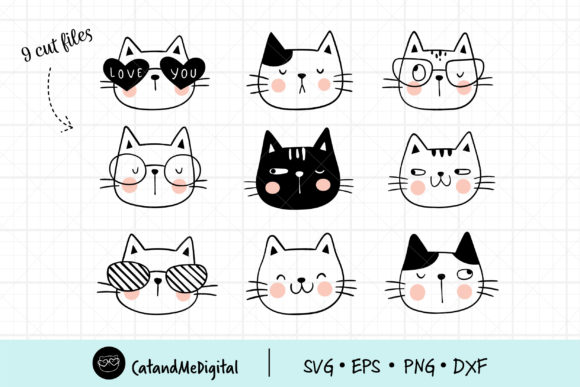
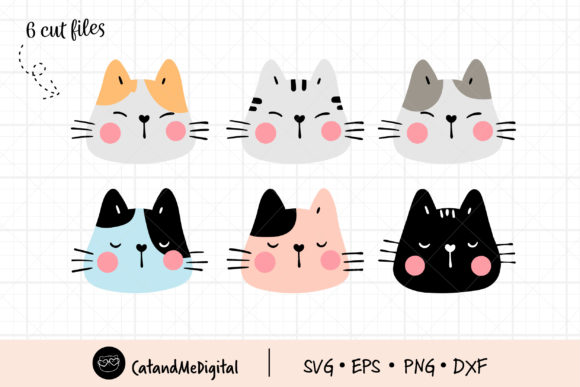
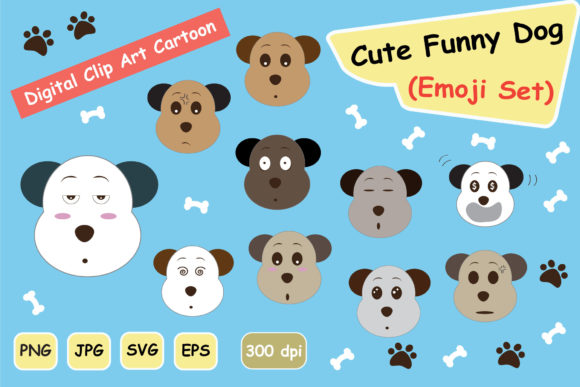
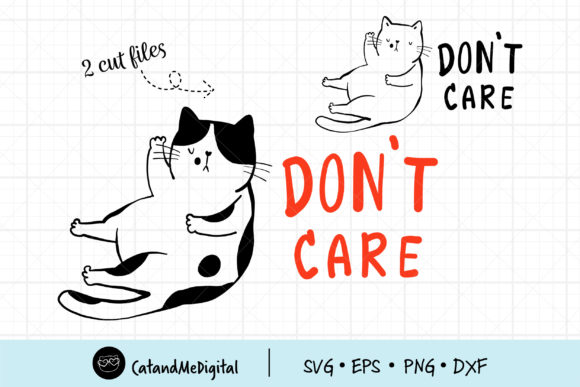
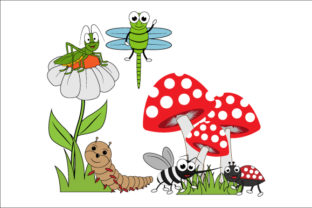
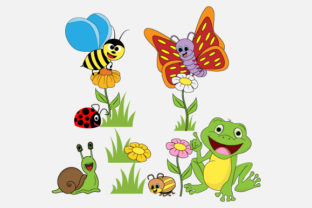
When you first open the preview for Funny Animal, the mood is immediately established. It is not a hyper-realistic portrait; instead, it leans into a whimsical, cartoonish charm that screams "personality." For an embroidery project, this is often a blessing. The shapes are generally bold, which suggests they will hold up well against the limitations of thread. In my experience, designs with overly fine lines often get lost in the weave of the fabric, but Funny Animal appears to have enough substance to create a crisp outline.
The layout feels balanced, avoiding extreme elongation that can cause registration issues on curved surfaces like caps. If you are looking for a design that adds a touch of humor to a serious wardrobe, this graphic hits the mark. It feels like a piece designed for immediate recognition, making it a strong candidate for custom apparel where the goal is to spark a smile or start a conversation.
Testing the Waters: A Real-World Tote Bag Scenario
To truly understand the utility of Funny Animal, let’s walk through a real scenario. Imagine you are an Etsy seller preparing a batch of canvas tote bags for an upcoming craft fair. You need a design that looks professional but approachable. You load the embroidery file into your software. Because the ZIP package includes SVG 1.1, Ai 10, EPS 10, and JPEG formats, you have the flexibility to resize the artwork without losing quality before converting it to your machine format.
Let’s say you decide to place Funny Animal on the front of a natural-colored cotton tote. The contrast here is key. If the design relies heavily on light yellows or whites, you might struggle on a cream background. However, if you utilize darker thread colors like navy, forest green, or charcoal, the character pops. The visual weight of the animal should be sufficient to anchor the bag without overwhelming the handle placement. When I visualize the finished product, I see a sturdy, high-quality item that feels handmade yet polished. Customers love items that feel unique, and a well-executed tote bag design like this one often becomes a staple in a small shop product line.
Navigating Fabric Textures and Hoop Sizes
While Funny Animal looks great on paper, the transition to fabric requires careful consideration. One of the biggest challenges in commercial embroidery is managing stitch density. If the design contains dense areas of fill stitch, placing it on a thin or stretchy fabric like jersey knit could lead to puckering. For a sweatshirt embroidery project, the thicker fleece usually absorbs the density better, but you must still test the tension.
If you are considering this for a baby embroidery project, such as a onesie or a bib, you need to be mindful of the hoop size. Ensure the design fits comfortably within your hoop without distorting the edges. Small details in Funny Animal might need to be simplified if you are working with very small hoops or textured fabrics like denim or heavy canvas. On a textured surface, a running stitch outline might break up visually, so relying on solid satin stitches for the main contours could provide better definition.
Critical Considerations for Specific Projects
- Curved Surfaces: If applying this to a cap, ensure the design does not wrap too far around the curve, or the top edge may pucker. Keep it centered and relatively flat.
- Dark Fabrics: For black or dark gray garments, you will likely need a backing layer or a mesh stabilizer to prevent show-through and ensure the colors remain vibrant.
- Applique Potential: While primarily a stitched graphic, the bold outlines of Funny Animal suggest it could work as an applique design if you prefer fabric layers over thread fills for a more dimensional look.
Enhancing Product Value and Customer Trust
In the world of handmade goods, consistency is everything. Using a cohesive design asset like Funny Animal across different products—pillow covers, kitchen towels, or holiday gifts—helps build brand recognition. When a customer sees your work at a craft fair and then later on social media, that familiar face creates trust. It signals that you are a professional decorator with a distinct style.
However, the value of the finished product also depends on execution. A poorly stitched design, even a cute one, can ruin a garment. Before committing to a full run of personalized gifts, always test the design on scrap fabric that matches your final material. Check the thread breaks, inspect the small details for clarity, and verify that the colors match your vision under different lighting conditions. Creating a printable mockup in black and white can also help you spot potential contrast issues before you spend hours stitching.
Practical Notes for the Digital Entrepreneur
For those selling digital products or offering custom services, the versatility of the file formats included in the ZIP is a significant advantage. Having access to vector formats like AI and EPS allows you to manipulate the design for various applications, from large signage to tiny patches. However, remember that just because you have the files doesn't mean you have unlimited commercial rights. Always confirm the licensing terms before selling finished products or reselling the digital files themselves.
As you integrate Funny Animal into your workflow, keep these practical tips in mind:
- Stabilizer is Non-Negotiable: Whether you are using cutaway for knits or tear-away for wovens, the right stabilizer ensures the design lays flat.
- Color Matching: Use a thread chart to select colors that complement the base fabric. Avoid neon threads on natural fibers unless you are aiming for a specific retro vibe.
- Density Checks: If the design seems too heavy, consider reducing the stitch count slightly in your editing software to improve drape on lighter fabrics.
- Client Communication: If a client requests this design on a delicate silk scarf, politely advise them on the risks regarding weight and texture.
Final Thoughts on Design Assets
Funny Animal is more than just a collection of pixels; it is a tool for storytelling in your craft business. It offers a playful element that can elevate a simple t-shirt into a statement piece or turn a plain pillow cover into a nursery highlight. By understanding its strengths and limitations, you can make informed decisions that lead to higher quality handmade products and happier customers.
Whether you are a hobbyist creating holiday embroidery for family or a small shop owner scaling your inventory, this design provides a solid foundation. Just remember to treat every embroidery project with the same care you would give to a custom commission. Test, refine, and enjoy the process of bringing this fun character to life, one stitch at a time.