Review: Baby Funny Pretty Eyes and Chubby Thig
As a designer who has spent years curating assets for small businesses and crafting personalized gifts, I approach every new machine embroidery design with a critical eye. The market is flooded with generic clip art, so finding a piece that balances charm with technical viability is rare. When I first opened the files for Baby Funny Pretty Eyes and Chubby Thig, my immediate reaction was one of genuine delight mixed with professional curiosity. This isn't just another cute graphic; it feels like a character waiting to be stitched onto something meaningful. The concept itself—focusing on those universally adored baby features—is timeless, but the execution determines whether it becomes a best-seller or a failed experiment.
First Impressions: Mood and Visual Personality
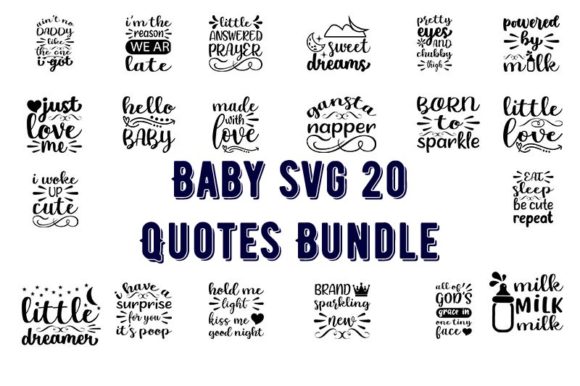
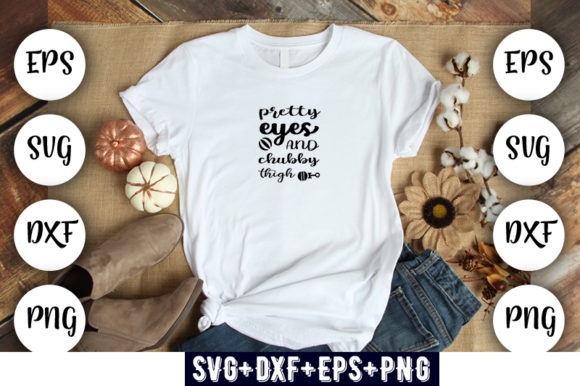
The visual personality of Baby Funny Pretty Eyes and Chubby Thig is undeniably playful. The exaggerated eyes and rounded lines create a soft, approachable aesthetic that screams "comfort." In the world of T-Shirt Designs and Graphics, this kind of imagery works exceptionally well because it triggers an emotional response. It’s not aggressive or overly trendy; it is wholesome. For an Etsy seller or a boutique owner, this design offers a perfect opportunity to tap into the nursery decor and baby shower gift markets. The layout is balanced, avoiding the trap of being too cluttered, which is crucial when translating digital art into physical thread.
However, the true test of any embroidery file comes when you move from the screen to the hoop. The simplicity of the shapes suggests that the fill stitch areas will be manageable, likely requiring minimal underlay to prevent puckering. The curves of the thighs and the roundness of the eyes are where the magic happens. If digitized correctly, these areas should flow smoothly with satin stitching or a tight fill, giving the finished product a plush, three-dimensional feel rather than a flat, pixelated look.
Real-World Application: From Hoop to Product
Let’s imagine a real-life scenario. You are preparing a custom embroidered tote bag for a local craft fair. You want something that stands out against the sea of floral patterns and motivational quotes. Placing Baby Funny Pretty Eyes and Chubby Thig on a natural canvas tote creates an instant focal point. The contrast between the organic texture of the cotton and the smooth, colorful thread makes the design pop. This is a prime example of how a good tote bag design can elevate a simple accessory into a statement piece.
I also see immense potential for this asset in custom apparel. Imagine this design centered on the chest of a soft, heather-grey sweatshirt. The cozy vibe of the garment pairs perfectly with the chubby, cute theme. For parents looking for unique baby embroidery items, this could be the centerpiece of a onesie or a bib. The design is versatile enough to work as a standalone statement or as part of a larger composition, perhaps paired with a simple font saying "Little One" or a birth date.
For the craft business owner, the ability to scale this design is key. Whether you are making a single personalized gift for a friend or producing a batch of small shop products for holiday sales, the clarity of the lines ensures consistency. When creating printable mockups to showcase your work online, this design holds up beautifully, giving customers a clear idea of what they will receive. It builds trust because the preview looks exactly like the finished product.
Technical Considerations for the Pro Designer
While the design is charming, there are practical considerations every embroiderer must address before committing to a commercial run. First, always test the design on scrap fabric. Even with a clean digital file, different machines handle density differently. Check the stitch density around the eyes. If the area is too dense, the fabric might pucker, ruining the soft aesthetic. Conversely, if it's too sparse, the background color might show through, muddying the image.
Fabric choice is equally important. This design shines on medium-weight fabrics like jersey, fleece, or twill. However, using it on very thin or highly textured fabrics requires caution. On stretchy materials, ensure you use a high-quality stabilizer to maintain the shape of the chubby thighs and the symmetry of the eyes. Curved surfaces, such as caps or hats, present another challenge. The bottom curve of the design needs to sit flat without distorting the proportions of the character. Always inspect small details on the machine before running the final job.
Color selection plays a massive role in the final appeal. While the design is likely provided in a standard palette, experimenting with thread colors can change the mood entirely. Soft pastels enhance the baby-friendly vibe, while bold primaries make it more graphic and modern. Test the design in black and white mockups first to ensure the contrast is sufficient for visibility, then compare light and dark fabric backgrounds to see how the shadows and highlights perform.
Where to Use Carefully
Not every project is a perfect fit for Baby Funny Pretty Eyes and Chubby Thig. Avoid using this design in extremely small hoop sizes unless you are willing to sacrifice detail. Tiny lettering or intricate corners can get lost in the stitching process, leading to a muddy result. Additionally, if you are planning to sell items that require frequent washing, such as kitchen towels or aprons, ensure the running stitch and fill areas are secure enough to withstand agitation without fraying.
Layered garments can also be tricky. If the design sits over a seam or a pocket, the uneven surface may cause the needle to skip or the fabric to shift. Always plan the placement carefully. For commercial embroidery projects, consistency is king. If you are producing a line of merchandise, ensure that every unit receives the same stabilizer treatment and tension settings to maintain brand consistency.
Final Verdict for Makers and Entrepreneurs
In conclusion, Baby Funny Pretty Eyes and Chubby Thig is a strong contender for anyone looking to add heart and humor to their portfolio. It bridges the gap between professional quality and accessible cuteness. As a digital embroidery file, it offers the flexibility needed for handmade products and embroidered patches. Whether you are an experienced decorator or a hobbyist starting a side hustle, this design provides a solid foundation for creating memorable items.
Remember to confirm licensing terms before selling finished items or digital products. Ensure you have the right to use the SVG, DXF, EPS, and PNG formats for your specific business model. With proper preparation, the right stabilizer, and a keen eye for detail, this design can become a staple in your collection, bringing joy to customers and adding value to your brand. It is a reminder that sometimes, the simplest designs—the ones that capture a funny glance or a chubby limb—are the ones that resonate the most deeply with people.