Tribe Member Family Sign Sublimation Review
As a designer who has spent years navigating the intersection of digital graphics and physical textile production, I approach every new asset with a critical eye. When I first opened the Tribe Member Family Sign Sublimation file, my immediate thought was about its potential for community-driven apparel. This isn't just another generic graphic; it carries a specific energy that resonates with modern family dynamics and tribal aesthetics. However, the title explicitly mentions "Sublimation" and lists formats like Svg, Png, Dxf, Jpg, and Pdf, which immediately signals that this is primarily a cut or print file rather than a native machine embroidery design. For those of us in the embroidery world, this distinction is crucial. It means we are looking at a vector-based shape that we can trace, convert, or use as a template for an applique design, rather than a ready-to-stitch digital embroidery file.
The Visual Personality and Design Mood
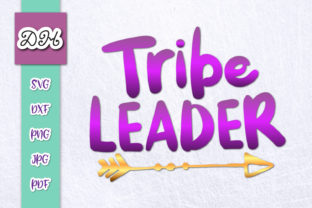
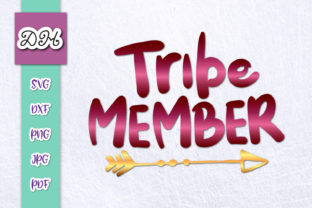
The visual personality of the Tribe Member Family Sign Sublimation is bold and playful. The concept of a "funny family sign" suggests a layout that prioritizes readability and impact over intricate detailing. In my experience, designs with this kind of character work exceptionally well on custom apparel where the message needs to be understood from a distance. The typography likely features thick strokes and clear curves, which translates beautifully when you consider how satin stitch or fill stitch would behave on a sweatshirt or tote bag. The mood is welcoming and slightly humorous, making it an ideal candidate for holiday gifts or personalized items meant to spark conversation at craft fairs or family gatherings.
When evaluating this as a Graphics asset within the Crafts category, I find myself imagining it on a high-quality cotton canvas tote bag. The clean lines of the SVG format suggest that if I were to convert this into a machine embroidery design, the digitizing process would be straightforward. The shapes appear robust enough to handle the density required for a durable finished product. However, because the source is a sublimation print cut file, the original artist did not account for stitch direction or underlay. As a professional, I know that taking a flat PNG or JPG and turning it into a complex embroidery project requires careful planning to avoid issues like puckering or thread breakage.
Real-World Application: From Digital to Stitched
Let's talk about a real-life scenario. Imagine you are an Etsy seller preparing a batch of custom sweatshirts for a local sports team or a family reunion. You want something that feels handmade but looks professional. If I were to use the Tribe Member Family Sign Sublimation design for this project, I would likely opt for an embroidered patch approach. By using the SVG file to create a precise vinyl stencil or by tracing the outlines for a multi-layered applique, I could achieve a look that mimics the crispness of sublimation but adds the tactile value of embroidery.
For baby embroidery, the playful nature of this design is perfect. A onesie featuring this motif would stand out in a nursery decor setting. However, the fabric texture here is key. Baby clothes are often made of soft, stretchy knit fabrics. If I were converting this graphic into a running stitch outline or a dense fill stitch area, I would need to ensure the stabilizer is heavy enough to prevent the fabric from distorting during stitching. The design's bold shapes mean that even with minor tension adjustments, the final result should remain legible and charming. On a kitchen towel or apron, the same logic applies, but the durability becomes the primary concern. These items undergo frequent washing, so the stitch density must be high enough to hold up against wear and tear without becoming too stiff.
Navigating Fabric Challenges and Hoop Constraints
While the design is versatile, there are areas where caution is required. Small hoop sizes might struggle with the full scope of the text and graphics included in the Tribe Member Family Sign Sublimation package. If the design includes tiny lettering or fine details in the corners, shrinking it down to fit a 4x4 inch hoop could lead to a loss of clarity. In machine embroidery, small details often get lost or turn into muddy blobs if the stitch count is too high for the available space. I always advise testing the design on scrap fabric first, especially if you plan to use it on textured fabrics like fleece or terry cloth.
Dark fabrics present another challenge. Since the original files include JPG and PNG versions, they are likely designed for light backgrounds or white substrates typical of sublimation. To adapt this for dark fabric embroidery, you would need to add a solid fill stitch backing or use a tonal thread strategy that ensures contrast. Without proper planning, the design could disappear against a black sweatshirt. Additionally, curved surfaces like caps require significant modification. The flat geometry of the sublimation file does not account for the curvature of a hat brim, meaning you would need to split the design or adjust the placement to avoid distortion.
Enhancing Product Value and Customer Trust
Using a design like Tribe Member Family Sign Sublimation correctly can significantly boost the perceived value of your handmade products. Customers today appreciate items that feel unique and well-crafted. A professionally executed embroidered version of this graphic conveys a sense of quality that a simple iron-on transfer cannot match. It signals to the buyer that you have invested time and skill into their personalized gift. This attention to detail builds customer trust and encourages repeat business for your small shop product line.
However, the transition from a digital download to a commercial embroidery project requires strict adherence to licensing. Before selling any finished items or creating printable mockups for your store, you must confirm the license terms provided with the file. Just because the package includes Svg, Png, Dxf, Jpg, and Pdf does not automatically grant commercial rights for all applications. Always check whether the license allows for the sale of physical goods versus digital reselling. Missteps here can jeopardize your craft business reputation.
Practical Designer Notes for Success
To get the most out of this design, follow these practical steps:
- Test on Scrap Fabric: Never skip the test run. Check how the thread colors interact with your chosen fabric and whether the stitch density causes puckering.
- Review Thread Contrast: Ensure the thread colors pop against the background. If the original graphic uses subtle gradients, simplify them into solid blocks of color for better embroidery results.
- Confirm Hoop Size: Measure your design against your hoop limits. If the text is too long, consider breaking it into multiple parts or resizing the elements.
- Inspect Small Details: Zoom in on the smallest letters or shapes. If they are thinner than your needle width, they will not stitch cleanly. Simplify these areas before digitizing.
- Use Proper Stabilizer: Especially for stretchy fabrics or caps, a tear-away or cut-away stabilizer is essential to maintain the integrity of the design.
- Check Licensing: Verify that you have the right to sell finished products created from this specific asset.
In conclusion, the Tribe Member Family Sign Sublimation offers a fantastic foundation for creative entrepreneurs looking to expand their product line. While it starts as a sublimation and cut file, its strong visual identity makes it adaptable for embroidery projects ranging from holiday gifts to boutique branding. With the right preparation, stabilizer choices, and respect for the limitations of different fabrics, this design can become a standout piece in your portfolio. It reminds us that great design is not just about the image itself, but how effectively we translate it into the physical world.