Funny Cat Don t Care: A Designer's Embroidery Review
As someone who has spent years navigating the intersection of digital design and physical stitching, I approach every new machine embroidery design with a critical eye. We all know the feeling of downloading a file that looks perfect on a screen but falls apart under the needle. That is why my review of Funny Cat Don t Care focuses less on the marketing fluff and more on how this specific asset performs in a real-world production environment. This piece falls squarely into the Illustrations and Graphics categories, promising a kawaii aesthetic that many crafters are currently hunting for. But does it translate well to thread?
First Impressions: Mood and Visual Personality
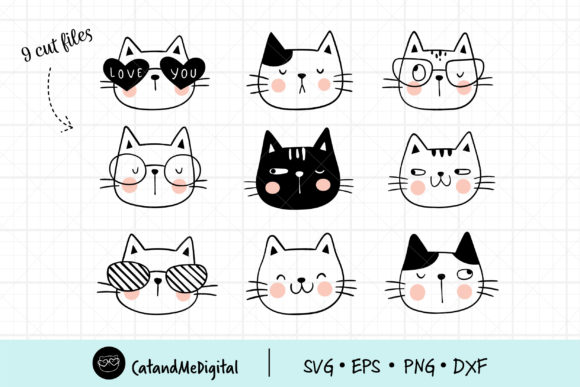
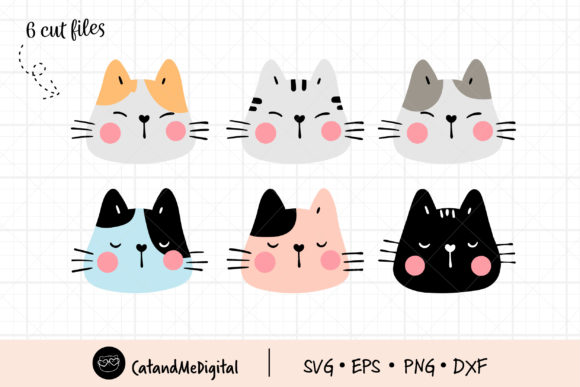
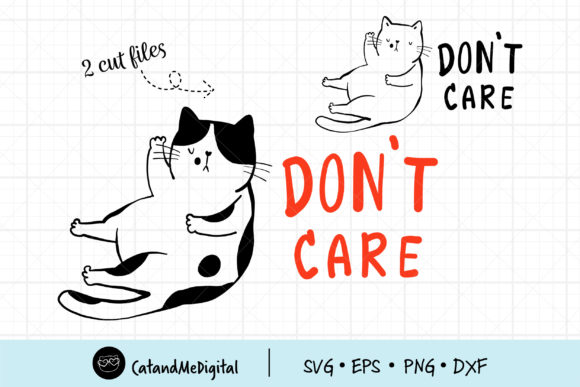
When I first opened the preview for Funny Cat Don t Care, the immediate reaction was one of playful indifference. The "don't care" attitude of the kitten is captured through simple, rounded lines and a relaxed posture. In the world of custom apparel, this kind of mood is gold. It appeals to a demographic that values humor over high-fashion minimalism. The visual personality is distinct enough to stand out on a crowded shelf at a craft fair, yet simple enough to not overwhelm a small hoop.
The layout suggests a balanced composition, which is crucial for embroidery. Unlike some complex vector files that require excessive editing to stitch properly, this design appears to have clean paths. For an Etsy seller or a boutique owner, time is money. A design that requires minimal digitization cleanup means you can move faster from concept to finished product. The kawaii style relies heavily on cute proportions, and here, the eyes and ears seem large enough to maintain their character even when scaled down slightly.
Real-World Application: From Tote Bags to Sweatshirts
To truly test the viability of Funny Cat Don t Care, I imagined placing it on a few different substrates. Let's start with a classic: the canvas tote bag. Totes are often made of textured cotton, which can sometimes eat up fine details. However, the bold outlines of this kitten suggest it would hold up well against the weave of a heavy-duty bag. The design feels substantial enough to be a focal point without needing a massive backing area.
Next, consider a sweatshirt embroidery project. Fleece and French terry fabrics are stretchy and can distort designs if the stitch density is too low. With a design like this, the solid areas of the cat's body would likely benefit from a dense fill stitch to prevent the fabric texture from showing through. The "don't care" expression adds a layer of irony to a cozy sweatshirt, making it a highly giftable item for students or young professionals. I can easily see this becoming a bestseller in a small shop product line during the back-to-school season.
For those looking to create embroidered patches, this design is also a strong contender. Patches require high definition because they are often viewed up close. The clean lines of the kawaii kitten vector should translate beautifully into a patch format, provided the digitizer pays attention to the underlay. If you are planning to sell these as personalized gifts or add them to denim jackets, the contrast between the white thread (or pastel colors) and dark denim would make the design pop.
Baby Items and Nursery Decor
While the "don't care" attitude might seem cynical, in the context of a baby item, it reads as adorable resilience. Imagine this stitched onto a onesie or a baby embroidery blanket. Parents love items that capture a personality trait, and a sassy little kitten fits the modern nursery aesthetic perfectly. Just remember that for baby clothes, you must ensure the back of the embroidery is smooth to avoid irritating sensitive skin. Using a tear-away stabilizer appropriate for knit fabrics is non-negotiable here.
Navigating Technical Challenges and Limitations
Despite its promise, Funny Cat Don t Care is not without its potential pitfalls. As designers, we know that not every design works on every surface. One major consideration is the hoop size. While the design is versatile, shrinking it too much could cause the facial features to blur. If you attempt to fit this into a 4x4 inch hoop, the tiny details of the eyes or whiskers might get lost in the running stitch or satin stitch edges. Always test the smallest intended size on scrap fabric first.
Fabric texture is another variable. On very thin fabrics like chiffon or lightweight silk, the weight of the thread could pucker the material around the design. You would need a cut-away stabilizer and perhaps a floating technique to keep the fabric flat. Similarly, on curved surfaces like caps, the placement matters. The round shape of the cat works well on the front panel of a baseball cap, but you must ensure the digitizing accounts for the curve to prevent registration issues.
Dark fabrics present their own challenge. If you plan to use this on black or navy garments, the default thread colors in the digital embroidery file might not offer enough contrast. You will likely need to adjust the palette to include bright whites, yellows, or neon accents to make the kitten visible. Without proper contrast, the charm of the design is lost, and the handmade product looks muddy.
Design Integrity and Commercial Viability
For the craft business owner, the value of a design lies in its ability to build brand consistency. Funny Cat Don t Care offers a recognizable motif that can become part of your signature style. Whether you are creating holiday embroidery specials or everyday apparel decorators merchandise, having a reliable graphic helps customers identify your work. The simplicity of the illustration ensures that it remains legible even in printable mockups used for social media marketing.
However, buyer engagement depends heavily on execution. A poorly stitched version of this design can damage customer trust. If the thread colors bleed or the stitches pull, the "cute" factor turns into a quality issue. This is why I always recommend running a test stitch before committing to a batch order. Check the tension, verify the stitch density, and inspect the small details under good lighting. If the design looks crisp in black and white, it will likely look great in color, but don't skip the step.
Practical Notes for the Professional Maker
If you decide to incorporate Funny Cat Don t Care into your workflow, keep these practical notes in mind:
- Test First: Always run the design on a scrap of the actual fabric you intend to use. This reveals how the fabric texture interacts with the thread.
- Stabilizer Choice: Match your stabilizer to the fabric weight. Stretchy knits need cut-away; woven fabrics might do fine with tear-away.
- Color Contrast: Plan your thread colors carefully, especially for dark backgrounds. High contrast is key for visibility.
- Licensing Check: Since this is an Instant Download digital product, confirm the licensing terms. Ensure you are allowed to sell commercial embroidery items created with this file. Some licenses restrict the number of items sold or require attribution.
- Detail Inspection: Zoom in on the final stitch-out. Are the whiskers clear? Is the outline smooth? Small errors can ruin the overall impression.
In conclusion, Funny Cat Don t Care is a solid addition to any designer's library of design assets. Its blend of humor and simplicity makes it a versatile choice for a wide range of projects, from tote bag design to pillow covers. While it requires careful attention to fabric choice and stabilization, the potential for creating engaging, high-quality handmade goods is significant. For the savvy maker willing to put in the technical prep work, this embroidery file offers a charming way to connect with customers who appreciate a touch of feline sass in their wardrobe.