0-9 Number Cliparts: A Designer's Embroidery Review
As someone who has spent years navigating the fine line between digital graphics and physical thread, I approach every new design asset with a critical eye. When I first encountered the 0-9 Number Cliparts pack, my immediate thought was about versatility. In the world of machine embroidery design, numbers are often the most overlooked yet essential elements. They appear on personalized baby onesies, anniversary sweatshirts, team jerseys, and boutique tote bags. The challenge lies in finding a set that translates well from a screen to fabric without losing its charm or structural integrity.
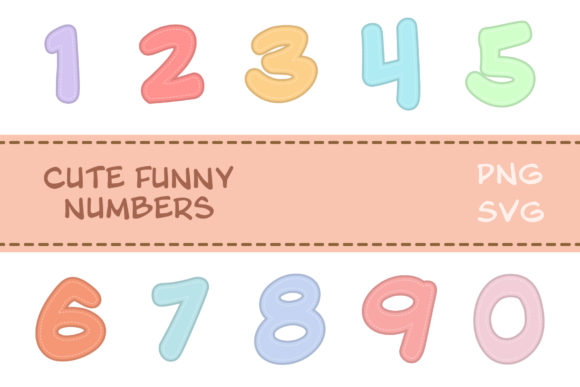
This specific pack is categorized under Illustrations and Graphics, promising "cute funny number" aesthetics. On paper, this sounds perfect for a craft business targeting parents or gift-givers. But does it hold up when you actually load the embroidery file into your machine? Let's dive into how these designs perform in real-world scenarios, specifically focusing on their application in custom apparel and handmade products.
First Impressions: Visual Personality and Design Mood
The first thing that strikes you about the 0-9 Number Cliparts is the playful character of each digit. Unlike standard serif or sans-serif fonts that can feel stiff and corporate, these numbers have a distinct personality. They are rounded, slightly irregular, and possess a whimsical quality that screams "handmade." This mood is crucial for the modern consumer who values uniqueness over mass production.
For an Etsy seller or a small shop owner, this visual language is gold. It immediately signals that the product is a personalized gift rather than a generic item. However, as a designer, I always look at the negative space and the stroke width. The "funny" aspect implies curves and perhaps some internal details. In embroidery, intricate internal details can sometimes lead to registration issues if the stabilizer isn't perfect. The key here is ensuring that the fill stitch areas are large enough to be filled cleanly without creating dense, puckered patches of thread.
Real-Life Application: From Digital File to Stitched Reality
To truly test the utility of these assets, imagine a scenario where I am preparing a custom embroidered tote bag for a local nursery school event. The goal is to create a set of bags where each child gets their own number for identification. Using the 0-9 Number Cliparts, I can mix and match digits to create unique identifiers.
When I visualize this project, the "cute" aesthetic fits perfectly with the target demographic. Parents love items that feel soft and friendly. If I were to use these on a sweatshirt embroidery project for a birthday party, the same logic applies. The numbers need to pop against the fleece texture. Here is where the transition from Graphics to digital embroidery file becomes critical. The design must be converted with appropriate stitch density. If the original graphic has very thin lines, they might disappear in the stitching process unless converted to a satin stitch column. Conversely, if the numbers are too solid, they might become too heavy for a lightweight tote bag design.
I also see great potential for embroidered patch creation. These numbers could serve as modular elements for larger designs. For instance, a patch featuring a character holding a specific number, or a "Class of 2024" design where the year is built using these individual clipart assets. The flexibility allows a craft business to offer customization without needing hundreds of pre-made templates.
Best Use Cases for Your Business
- Baby Embroidery: The playful style is ideal for birth announcements, nursery decor, and milestone clothing (e.g., "6 months").
- Holiday Embroidery: Use these for stocking stuffers, cookie jar labels, or countdown calendars on kitchen towels.
- Custom Apparel: Perfect for sports teams, family reunion shirts, or employee ID badges where a softer look is desired.
- Home Textile: Pillow covers and blankets benefit from the bold, clear shapes which read well from a distance.
- Digital Product Previews: Even if you sell printable mockups, having high-quality vector-style numbers ensures your printable mockup looks professional.
Navigating Challenges: Where Caution is Required
While the 0-9 Number Cliparts are versatile, they are not a magic bullet for every situation. As a professional, I advise caution when applying these to certain materials and contexts.
Fabric Texture and Stability: If you plan to embroider these on highly textured fabrics like thick denim or boucle, the intricate curves of the "funny" numbers might get lost in the weave. Always test on scrap fabric first. Similarly, on stretchy fabrics like jersey knit, the tension required for fill stitch can cause the garment to pucker. A proper stabilizer is non-negotiable here.
Small Hoop Sizes: While these are cliparts, remember that embroidery machines have limits. If you are working with a small hoop size, say 4x4 inches, ensure that the entire number fits comfortably without being scaled down so much that the details vanish. Tiny lettering or small numeric details often result in thread breakage or messy stitching.
Dark Fabrics: The "cute" nature of these designs likely relies on white or light-colored outlines. On dark fabric, you will need a backing layer of thread colors or a top-stitch technique to make them visible. Without this, the contrast will be poor, reducing the visual appeal and perceived value of the finished product.
Practical Designer Notes for Success
If you decide to integrate the 0-9 Number Cliparts into your workflow, follow these practical steps to ensure a professional outcome:
- Test Run First: Never skip the test stitch. Load the design onto a piece of the actual fabric you intend to use. Check for gaps in the fill stitch and ensure the running stitch edges are clean.
- Check Thread Contrast: The design's visibility depends heavily on thread colors. Ensure the color palette complements the base material. A black number on a navy background will fail; a bright yellow or white will succeed.
- Verify Licensing: Before selling any commercial embroidery items or digital files derived from these assets, confirm the licensing terms. Some packs allow personal use only, while others permit small shop product sales. Do not assume.
- Mockup Comparison: Create both light and dark fabric mockups to see how the design adapts. This helps in marketing your handmade product effectively on platforms like Etsy.
- Stabilizer Selection: For curved surfaces like caps or sleeves, use a tear-away or cut-away stabilizer that matches the weight of the fabric to prevent distortion.
Final Verdict: A Valuable Asset for the Creative Entrepreneur
In conclusion, the 0-9 Number Cliparts pack offers a refreshing alternative to standard font-based numbering. Its "cute funny" aesthetic fills a specific niche in the market for personalized gifts and custom apparel. For the creative entrepreneur looking to add a touch of whimsy to their design assets, this collection is a strong contender.
However, success lies in execution. The transition from a digital Graphic to a stitched reality requires attention to detail regarding hoop size, stitch density, and fabric choice. When used correctly, these numbers can elevate a simple t-shirt design into a standout boutique product that customers will trust and love. Whether you are making a holiday gift or building a brand around home textile decor, these cliparts provide the foundation for memorable, high-quality embroidery projects. Just remember to test, stabilize, and verify your usage rights before you start stitching.